IELTS

Can Your IELTS Score Impact Your Chances of Getting into a Foreign University?

Studying abroad is a dream for many students today. Whether you apply to universities in the UK, USA, Canada, or Europe, most universities ask for an IELTS score. They usually look for students who have both a strong academic background and a good IELTS band score. This is why many students remain confused about whether they should take the IELTS exam or apply without it.

Although some universities provide IELTS waivers, students who have a specific college in mind often do not want to compromise on their choice. If you are also confused about IELTS and whether it can help with your university application, this guide will help you understand its importance.

Yes, IELTS can make your application process smoother and faster. However, this completely depends on the program, university, location, and field of study you choose. Students should understand how the university application process works and the major factors that affect admission decisions.

Why Does IELTS Matter?

IELTS is a globally recognized English proficiency test accepted by most international universities around the world. The test evaluates four essential language skills:

  • Listening
  • Reading
  • Writing
  • Speaking

Universities accept IELTS because it helps them evaluate whether a student has the English language skills required for international education. Since most programs are taught in English, universities need assurance that students can understand and participate effectively in academic activities.

Why Is IELTS More Important Than Other Tests?

Once students receive admission, they become part of a new academic and cultural environment. Universities often organize group discussions, events, presentations, and collaborative projects where students need to communicate effectively in English.

Universities prefer students who can communicate confidently because it helps them adapt quickly and participate actively in academic activities. IELTS helps demonstrate a student’s ability to perform in an English-speaking environment.

It also helps universities assess whether a student is eligible for their programs and understand the student’s English proficiency level according to international standards.

Why Do Universities Demand IELTS Score Proof?

  1. Proves Student Ability

Strong English language skills make a student’s academic journey easier. Students can communicate effectively with professors, classmates, and university staff. Those who can communicate well are more likely to adapt quickly to academic tasks and perform successfully throughout their studies.

  1. Helps in Participation and Motivation

Foreign universities design programs that encourage student participation and contribution. There are group discussions, projects, presentations, and events that require active involvement.

Students with good IELTS scores often feel more confident participating in these activities, helping them become more engaged in university life and closer to their academic goals.

  1. May Be Considered During the Visa Process

Although IELTS is primarily part of the academic admission process, some countries may also consider English language proficiency during visa assessment. Authorities may review whether students can adapt to the country’s environment and manage their studies successfully.

  1. Maintains University Standards

Most universities establish minimum IELTS score requirements to maintain academic standards and ensure students can successfully complete their programs.

Is IELTS a Mandatory Part of Admission?

It cannot be considered completely mandatory in every case, but it is one of the major components of many university applications.

Other important factors include:

  • Academic performance and grades
  • Statement of Purpose (SOP)
  • Letters of Recommendation (LOR)
  • Work experience
  • Entrance examination scores
  • Portfolio submissions for creative fields such as fashion, design, and arts
  • English language proficiency scores

A strong IELTS score can strengthen a student’s profile for both admission and visa applications.

If a student has lower academic scores but a strong IELTS band, universities may sometimes consider the overall profile positively. However, IELTS alone cannot guarantee admission. Similarly, a low IELTS score may reduce competitiveness, but admission decisions depend on multiple factors.

Understanding IELTS Requirements for University Applications

IELTS requirements often vary depending on the university and program.

Undergraduate Programs

Most universities require an IELTS score between 6.0 and 6.5 for bachelor’s degree programs.

Postgraduate Programs

Master’s and doctoral programs generally require IELTS scores between 6.5 and 7.5, depending on the course and university.

Requirements for Skilled and Specialized Programs

Programs related to healthcare, nursing, teaching, hospitality, and technology often have higher English language requirements.

For these programs, IELTS requirements typically range from:

  • Overall band score: 6.5–7.5
  • Minimum score in each section: 6.0–7.0

Students should carefully review program-specific requirements before applying.

Is It Possible to Study Without IELTS?

Many students become confused and hesitate to apply abroad because they are not fully aware of IELTS policies and university requirements.

Fortunately, some universities offer IELTS waivers.

Waiver Based on Medium of Instruction (MOI)

Students who have completed their previous education in English may qualify for an IELTS waiver if they provide a Medium of Instruction (MOI) certificate from their school or college.

Alternative English Language Tests

Some universities accept alternative English proficiency tests such as:

  • TOEFL
  • PTE Academic
  • Duolingo English Test
  • Cambridge English Qualifications

University Interviews

Some universities offer waivers and conduct their own English assessment interviews instead of requiring IELTS or other language tests.

Top Benefits of IELTS

Students who achieve strong IELTS scores often receive additional advantages compared to those who do not take the test.

Admission Priority

A good IELTS score allows students to apply to a wider range of universities and programs without facing language-related limitations.

Scholarship Opportunities

Some universities consider IELTS performance when evaluating scholarship applications. Higher scores may improve eligibility for certain scholarships and financial aid opportunities.

Factors That Affect IELTS Performance

Consistent Hard Work

Consistency is key to success. Students should practice regularly and use effective preparation techniques to improve their IELTS scores.

Improve Vocabulary

Students should focus on academic vocabulary and explore new methods of learning and retaining words.

Watch and Listen to English Content

Watching English-language TV shows, listening to podcasts, and consuming English media can help improve listening and speaking skills.

Read English Books and Literature

Reading books, articles, and stories in English helps improve vocabulary, grammar, and reading comprehension.

Start Your Dream with or Without IELTS, But Know All the Facts

As discussed, IELTS can significantly strengthen a university application and make a student’s profile more competitive. However, other factors such as academic performance, financial background, work experience, and supporting documents also play important roles.

Students should conduct thorough research before making any decisions. Whether applying with or without IELTS, understanding university requirements, alternative options, and the complete application process is essential for making informed choices and achieving study abroad goals.


Accomodation supoort Image Website

Study Abroad Housing Guide: The Benefits of University Accommodation Support

Study Abroad Housing Guide: The Benefits of University Accommodation Support

Going abroad and living your dream is a big achievement. For students who fulfill this dream, there is a lot of hard work behind it, including studying day and night, preparing for exams, and spending a significant amount on expenses such as tuition fees, living costs, accommodation, and flights. For many students, studying abroad is a dream that takes years of preparation, including exams, applications, financial planning, and visa approvals.

However, one of the most overlooked yet critical expenses is accommodation. While students may receive scholarships or loan assistance from universities or banks, accommodation remains a major concern because students usually stay there throughout their entire course duration and plan their budgets, food expenses, and daily living around it.

Nowadays, getting admission to a preferred university is the first priority, but the second major concern is getting accommodation within the university premises. Sometimes students avoid university hostels because they are too expensive. Students face challenges in finding a new place, getting accommodation at a reasonable cost, and finding a place with a familiar environment in a foreign country. Many universities provide accommodation support to students at reasonable costs.

Thinking about studying abroad often brings thoughts of a new atmosphere, new people, and new experiences. However, students are often not aware of the fact that they need proper pre-planning because, without suitable accommodation, it can be difficult to survive in a foreign country.

In many countries, staying on rent is very expensive. When we talk about top study destinations such as the UK, the USA, Canada, and Australia, these countries have highly ranked universities with good QS rankings. However, students with limited financial backgrounds often avoid these universities because accommodation costs become a major concern.

How Students Get into Trouble

  • Going abroad without researching rental charges.
  • Finding out later about high security deposit fees.
  • Accommodation being allotted only to people who can provide local references.
  • Facing language barriers during accommodation-related communication.
  • Receiving misinformation about accommodation options.
  • No hostel availability near the university during the fall intake.

When students face such issues, even these small challenges can lead to financial losses, frustration, and a lack of concentration in their studies. That is why it is important for students to choose universities that provide hostel facilities on campus, helping them avoid many difficulties.

What Is Included in Hostel Services?

Most universities provide accommodation assistance so students can focus more on their studies. Some universities also offer accommodation along with mess or meal services.

Benefits Students Get Along With Accommodation

  • Students can get private rooms or dormitory facilities.
  • All housing services are managed by the university itself.
  • Partner accommodation options may be provided through private providers.
  • Assured housing facilities during the initial stages of study.
  • Students can also receive assistance for private hostel accommodation through university support.
  • Dedicated housing advisors or student support teams.

Why Choose Accommodation Support?

  1. Prior Relief Through Pre-Planning

Planning a future in a new country, meeting new people, and living in a new environment is exciting for students. However, adapting to a new atmosphere can be challenging.

A student’s major concern is always securing a good environment during college life. Living in a rented apartment far from one’s home country can be a significant safety concern. That is why many students and parents prefer hostel services within university premises, where students can feel safe and comfortable.

  1. Protection From Fraudulent Activities

Unfortunately, students moving to another country may become victims of fraudulent activities or fake information from rental property owners.

How These Risks Can Be Avoided

  • By choosing accommodation where proper verification is completed.
  • By connecting with trusted property owners.
  • By selecting accommodation offered on a contractual basis.
  1. Makes Student Life Easier

One of the major challenges students face is cultural adaptation and adjusting to a new environment.

When students receive university accommodation support and stay on campus, it becomes easier for them to build networks and spend time in a diverse environment.

How University Accommodation Benefits Students

  • Students can get to know each other in a short time.
  • Students can easily become part of campus activities.
  • Reduces feelings of loneliness.
  • Helps students understand new cultures.
  1. Helps in Time Management

When students move to a new country, arranging accommodation requires a lot of effort. They need to understand financial processes, connect with property owners, and sometimes deal with language barriers.

Students not only have accommodation-related responsibilities but also many other tasks to complete, making life more hectic.

How Universities Assist Students

  • Offering pre-booking of rooms.
  • Helping students connect with accommodation providers.
  • Providing clarity regarding deadlines.
  • Simplifying processes so students do not need to submit excessive physical documents.
  1. Financial Management with Safety

One of the best aspects of university accommodation is transparency. There are usually no hidden charges, and costs are clearly explained. In contrast, students often worry about hidden costs when choosing private accommodation.

Accommodation Benefits in University Hostels

  • No hidden charges.
  • Services are explained clearly.
  • Payment planning is easier.
  1. Supports Academic Performance

When students receive convenient accommodation assistance, they feel more comfortable and can focus better on their studies.

Impact of University Accommodation Support

  • Improved quality of life.
  • Reduced stress.
  • Better focus on goals.
  • Greater participation in university activities.

Final Summary

We can say that studying abroad is not only about education but also about building networks and adapting to a new culture. Universities that support students with accommodation assistance help them live a more focused and comfortable life.

With proper planning and the right support, students can fulfill their dream of studying abroad at a reasonable cost without compromising with their study and safety. Through university accommodation support, students can enjoy their bachelor’s journey with peace of mind and leave many worries behind. Therefore, it is important to start planning early and make use of all available support services


Ivy-League-schoolss

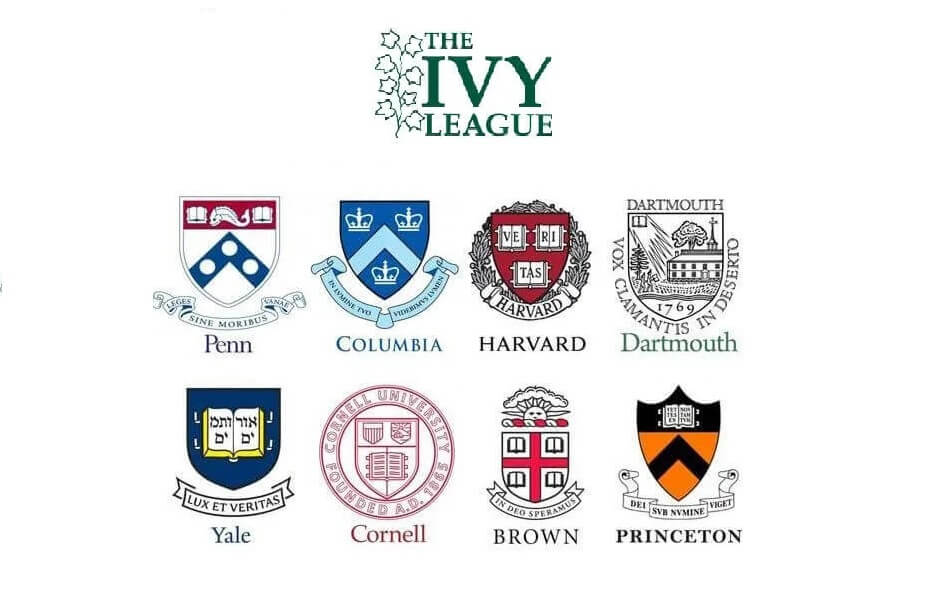
Applying to an IVY League College

Applying to Ivy League colleges can be an exciting yet challenging process! These prestigious schools are highly selective, so it’s important to present your best self in the application. Here’s a step-by-step guide to help you with the process:

1. Research and Choose Your Colleges

2. Prepare Your Academic Profile

  • Grades: Ivy League schools typically look for top-tier grades (A’s and A+’s in challenging courses such as AP, IB, or honors classes).
  • Standardized Tests: Many Ivy League schools have moved to test-optional policies in recent years, but strong SAT/ACT scores can still strengthen your application.
  • Course Rigor: The most competitive applicants take challenging courses throughout high school.

3. Craft a Strong Personal Statement/Essays

  • Common Application Essay: Most Ivy League schools use the Common Application, which includes a personal statement. This is your chance to tell your story—be authentic, reflective, and unique.
  • Supplemental Essays: Each Ivy League school has its own set of supplemental essays. These essays will often ask why you want to attend that specific school or how you’ll contribute to the campus community.
  • Be genuine: Ivy League admissions officers want to understand who you are, what motivates you, and how you think.

4. Letters of Recommendation

  • Teachers and Mentors: Ivy League schools typically require 2-3 letters of recommendation. Choose teachers who know you well, ideally from core subjects like English, math, or science.
  • Counselor Recommendation: A letter from your school counselor is usually required. This provides a broader view of your academic and extracurricular achievements.

5. Extracurricular Activities

  • Depth over breadth: Ivy League colleges prefer students who are deeply involved in a few activities rather than those who spread themselves thin across many.
  • Leadership roles: Try to take on leadership roles in the activities that you are passionate about (clubs, sports, volunteer work, etc.).
  • Passion and impact: Focus on how you have contributed to your community or made a significant impact.

6. Interviews

  • Not required everywhere: Some Ivy League schools offer interviews (either in-person or virtual), while others may not.
  • Preparation: If you have an interview, practice common interview questions and be prepared to discuss why you’re interested in that particular school and what you bring to the community.

7. Financial Aid and Scholarships

  • Need-blind admissions: Some Ivy League schools have need-blind admissions for U.S. students, meaning that your ability to pay won’t affect your chances of admission.
  • Financial aid forms: Submit the FAFSA (Free Application for Federal Student Aid) and possibly the CSS Profile for schools that require it to be considered for financial aid.

8. Stay Organized

  • Deadlines: Keep track of deadlines for each school. Some Ivy League schools have early decision (ED) or early action (EA) options, while others follow a regular decision timeline.
  • Application portal: Most schools use the Common App or their own application portal. Make sure you stay on top of your tasks and check for any missing materials.

9. Be Yourself

  • Ivy League schools value authenticity. Don’t try to be someone you’re not or try to guess what they want to hear. Be honest and showcase your unique qualities.

10. Stay Positive and Be Prepared for Rejection

  • The admissions process is highly competitive, and it’s important to keep in mind that there will only be a small number of spots available. If you don’t get in, it’s not a reflection of your worth or potential.
61 (1)

The Ultimate Guide to Choosing the Best Study Abroad Program

Studying abroad is an incredible opportunity that offers numerous benefits to students.

It allows them to immerse themselves in a new culture, learn a new language, enhance their career prospects, and experience personal growth and development.

However, choosing the right study abroad program is crucial to ensure a successful and fulfilling experience.

With so many options available, it is important to carefully consider factors such as academic requirements, location, program duration, cost, housing, and safety.

By making an informed decision, students can make the most of their study abroad experience and reap the many rewards it has to offer.

Why Study Abroad Programs are Worth Considering

One of the main reasons why studying abroad is worth considering is the exposure to new cultures and perspectives.

Living in a foreign country allows students to experience different customs, traditions, and ways of life.

This exposure broadens their horizons and helps them develop a more global mindset.

 It also fosters tolerance, empathy, and understanding towards people from different backgrounds.

Another benefit of studying abroad is the opportunity to learn a new language.

Being immersed in a foreign language environment provides a unique chance to practice and improve language skills.

Students can take language courses, interact with locals, and engage in everyday conversations, which accelerates their language-learning process.

Proficiency in a second language is highly valued by employers and can open up new career opportunities.

Studying abroad also enhances career prospects. Employers value the skills and qualities that students gain from studying abroad, such as adaptability, independence, cross-cultural communication skills, and global awareness.

These skills are highly sought after in today’s globalized job market. Additionally, studying abroad allows students to make valuable connections and build a network of international contacts, which can be beneficial for future career opportunities.

Furthermore, studying abroad promotes personal growth and development. Living in a foreign country challenges students to step out of their comfort zones and become more independent and self-reliant. They learn to navigate unfamiliar environments, solve problems, and adapt to new situations. This experience helps them develop resilience, confidence, and a greater sense of self-awareness. It also allows them to gain a deeper understanding of their own culture and identity.

Factors to Consider When Choosing a Study Abroad Program

When choosing a study abroad program, there are several factors that students should consider to ensure a successful and fulfilling experience.


Firstly, students should consider the academic requirements and credits offered by the program.

It is important to ensure that the courses offered align with their academic goals and requirements.

They should also check if the credits earned abroad will transfer back to their home institution.

Secondly, the location and culture of the study abroad program should be taken into account.

Students should consider their personal preferences and interests when choosing a destination. They should research the culture, climate, lifestyle, and attractions of the country they are considering. It is also important to consider the safety and security of the location.

Program duration and schedule are also important factors to consider. Some students may prefer a semester or year-long program, while others may opt for a shorter summer or short-term program. It is important to choose a program that fits well with their academic schedule and personal commitments.

Cost is another crucial factor to consider.

Students should carefully evaluate the program fees, tuition, and other expenses such as travel, housing, and living costs. They should also explore financial aid options, scholarships, and grants that may be available to help offset the costs.

Housing and accommodations are also important considerations. Students should research the housing options provided by the program, such as homestays, dormitories, or apartments. They should consider their preferences for living arrangements and ensure that they feel comfortable and safe in their chosen accommodation.


Lastly, safety and security should be a top priority when choosing a study abroad program.

Students should research the safety record of the destination and the support services provided by the program. It is important to choose a program that prioritizes the well-being and security of its participants.

How to Choose the Right Destination for Your Study Abroad Program

Choosing the right destination for a study abroad program is a crucial decision that can greatly impact the overall experience.

Here are some factors to consider when selecting a destination:

1. Researching potential destinations: Students should thoroughly research potential destinations to gain a better understanding of the country’s culture, lifestyle, climate, and attractions. They should consider their personal preferences and interests when choosing a destination.

2. Considering language barriers: Language barriers can be a significant factor to consider when choosing a study abroad destination. Students should assess their language proficiency and determine if they are comfortable living in a country where they may not be fluent in the local language. However, studying abroad can also be an excellent opportunity to learn a new language.

3. Evaluating cultural differences: Cultural differences can greatly impact the study abroad experience. Students should consider their ability to adapt to a different culture and lifestyle. They should also research the cultural norms, customs, and traditions of the destination to ensure that they feel comfortable and can fully immerse themselves in the local culture.

4. Assessing academic opportunities: Students should evaluate the academic opportunities available in their chosen destination. They should research the universities and programs offered in their field of study and ensure that they align with their academic goals and requirements. It is also important to consider the reputation and accreditation of the institutions.

The Importance of Researching Your Study Abroad Program Options

Researching study abroad program options is crucial to ensure that students choose the right program for their needs and goals. Here are some ways to conduct thorough research:

1. Utilizing resources such as study abroad offices and online databases:

Students can start by visiting their university’s study abroad office or department. These offices often have resources, advisors, and databases that provide information on various study abroad programs. Online databases and directories can also be useful tools to search for programs based on specific criteria such as location, duration, and field of study.

2. Reading program reviews and testimonials:

Reading program reviews and testimonials can provide valuable insights into the experiences of past participants. Students can find reviews on program websites, study abroad forums, and social media groups. It is important to read a variety of reviews to get a balanced perspective.

3. Contacting program alumni for firsthand experiences:

Students can reach out to program alumni to get firsthand information about their experiences. Alumni can provide valuable insights, advice, and tips based on their personal experiences. They can also answer specific questions and address any concerns or doubts.


Tips for Finding the Best Study Abroad Programs for Your Field of Study

Finding the best study abroad programs for a specific field of study requires careful research and consideration. Here are some tips to help students find the right program:

1. Researching universities and programs with strong reputations in your field:

Students should research universities and programs that have strong reputations in their field of study. They should consider factors such as faculty expertise, research opportunities, and industry connections. It is important to choose a program that offers academic rigor and quality education in their chosen field.

2. Consulting with academic advisors and professors:

Academic advisors and professors can provide valuable guidance and recommendations based on their knowledge and expertise. Students should schedule meetings with their academic advisors to discuss their study abroad goals and seek advice on suitable programs.

3. Networking with professionals in your field who have studied abroad:

Networking with professionals in their field who have studied abroad can provide valuable insights and advice. Students can reach out to professionals through networking events, LinkedIn, or alumni networks. They can ask about their study abroad experiences, the impact it had on their career, and any recommendations they may have.

Understanding the Different Types of Study Abroad Programs Available

There are various types of study abroad programs available to suit different preferences and goals. Here are some common types of study abroad programs:

1. Semester or year-long programs: Semester or year-long programs allow students to fully immerse themselves in a foreign culture and academic environment. These programs typically offer a wide range of courses and academic opportunities.

2. Summer or short-term programs: Summer or short-term programs are ideal for students who have limited time but still want to experience studying abroad. These programs usually last for a few weeks to a couple of months and offer intensive courses or specialized programs.

3. Internship or service-learning programs: Internship or service-learning programs combine academic coursework with practical work experience or community service. These programs provide valuable hands-on experience and allow students to make a positive impact in the local community.

4. Language immersion programs: Language immersion programs are designed for students who want to improve their language skills. These programs offer intensive language courses and provide opportunities for students to practice their language skills in everyday situations.

How to Evaluate the Quality of a Study Abroad Program

Evaluating the quality of a study abroad program is crucial to ensure a valuable and worthwhile experience.

Here are some factors to consider when evaluating a study abroad program:

1. Accreditation and program recognition: Students should ensure that the study abroad program and the host institution are accredited and recognized by reputable accrediting bodies. Accreditation ensures that the program meets certain standards of quality and academic rigor.

2. Faculty and staff qualifications: Students should research the qualifications and expertise of the faculty and staff involved in the study abroad program. It is important to choose a program that has experienced and knowledgeable instructors who can provide quality education and support.

3. Student support services: Student support services are essential for a successful study abroad experience. Students should inquire about the support services provided by the program, such as orientation programs, academic advising, counseling services, and 24/7 emergency support.

4. Program structure and curriculum: Students should carefully review the program structure and curriculum to ensure that it aligns with their academic goals and requirements. They should consider factors such as course offerings, class sizes, academic resources, and extracurricular activities.

Budgeting for Your Study Abroad Program: What to Consider

Budgeting for a study abroad program is an important aspect to consider. Here are some factors to consider when budgeting for a study abroad program:

1. Program fees and tuition: Students should carefully review the program fees and tuition to understand the total cost of the program. They should consider any additional fees such as application fees, housing fees, and activity fees.

2. Travel expenses: Travel expenses include airfare, visa fees, travel insurance, and transportation costs within the destination country. Students should research the average costs of flights and visa fees to include in their budget.

3. Housing and living costs: Housing and living costs can vary greatly depending on the destination. Students should research the average costs of housing, groceries, transportation, and other daily expenses in their chosen destination. It is important to consider factors such as currency exchange rates and cost of living differences.

4. Scholarships and financial aid options: Students should explore scholarships and financial aid options that may be available to help offset the costs of their study abroad program. They should research scholarships offered by their home institution, government scholarships, and external scholarships.

Preparing for Your Study Abroad Program: What to Expect

Preparing for a study abroad program involves several important steps.

Here are some things to expect and prepare for:

1. Obtaining necessary travel documents: Students should ensure that they have all the necessary travel documents such as a valid passport, visa (if required), and any other required permits or documents. It is important to start the application process early to allow sufficient time for processing.

2. Packing and preparing for cultural differences: Students should research the climate and culture of their chosen destination to pack appropriate clothing and essentials. They should also familiarize themselves with the local customs, traditions, and etiquette to ensure that they are respectful and culturally sensitive.

3. Communicating with program coordinators and host families: Students should establish clear communication with their program coordinators and host families. They should ask any questions or concerns they may have and provide any necessary information such as dietary restrictions or medical conditions.

Making the Most of Your Study Abroad Experience: Tips for Success

To make the most of a study abroad experience, students should embrace new experiences and challenges, build relationships with locals and fellow students, participate in cultural activities and events, and reflect on personal growth and development. Here are some tips for success:

1. Embrace new experiences and challenges: Studying abroad is an opportunity to step out of your comfort zone and try new things. Embrace new experiences, whether it’s trying local cuisine, participating in cultural festivals, or exploring new places. Be open-minded and willing to learn from different perspectives.

2. Build relationships with locals and fellow students:
Building relationships with locals and fellow students is a great way to immerse yourself in the local culture and make lifelong connections. Engage in conversations, join clubs or organizations, and participate in social activities to meet new people.

3. Participate in cultural activities and events: Take advantage of the cultural activities and events offered by your study abroad program or the local community. Attend festivals, visit museums, explore historical sites, and participate in cultural workshops to gain a deeper understanding of the local culture.

4. Reflect on personal growth and development: Take time to reflect on your personal growth and development throughout your study abroad experience. Keep a journal, take photos, and document your experiences. Reflect on the challenges you have overcome, the skills you have gained, and the lessons you have learned.

Studying abroad offers numerous benefits and opportunities for personal and academic growth.

By choosing the right study abroad program, students can make the most of their experience and reap the rewards it has to offer.

It is important to carefully consider factors such as academic requirements, location, program duration, cost, housing, and safety. Thorough research and careful planning are key to ensuring a successful and fulfilling study abroad experience.


60 (1)

Exchange or Direct Enrollment

Exchange or Direct Enrollment: Which Study Abroad Option is Right for You?

Study Abroad Options

Studying abroad has become increasingly popular among students in recent years, and for good reason. It offers a unique opportunity to gain a global perspective, immerse oneself in a different culture, and acquire valuable skills and experiences that can enhance one’s personal and professional development.

There are two main study abroad options: exchange programs and direct enrollment programs.

Exchange programs involve a reciprocal agreement between two universities, where students from each institution have the opportunity to study at the partner university for a semester or academic year.

This allows students to experience life in a different country while still being enrolled at their home institution.

On the other hand, direct enrollment programs involve students enrolling directly at a foreign university, without the need for a reciprocal agreement.

This option provides students with more independence and flexibility in choosing their courses and experiencing the host country.

Understanding Exchange Programs

Exchange programs are a popular choice for students who want to study abroad.

These programs typically involve a partnership between two universities, where students from each institution have the opportunity to study at the partner university for a semester or academic year.

The process usually involves an application and selection process, where students are chosen based on their academic performance and suitability for the program.

Once selected, exchange students are usually responsible for their own travel arrangements and housing, although some universities may provide assistance in finding accommodation.

They also have the option to take courses in a variety of subjects, depending on the offerings of the host university.

At the end of the program, students typically receive credit for the courses they have completed abroad, which can be transferred back to their home institution.

Examples of exchange programs include the Erasmus program in Europe, which allows students to study at partner universities across the continent, and the Fulbright program, which provides opportunities for students to study in countries all over the world.

Benefits of Exchange Programs

Exchange programs offer a range of benefits for students who choose to participate.

One of the main advantages is the opportunity for cultural immersion. By living and studying in a foreign country, students have the chance to fully immerse themselves in a different culture, learn about local customs and traditions, and develop a global mindset.

This can be a transformative experience that broadens one’s perspective and enhances their understanding of the world.

Another benefit of exchange programs is the opportunity for language acquisition. By studying in a country where the language is spoken, students have the chance to improve their language skills through daily interactions with native speakers.

This can be particularly beneficial for students who are studying languages as part of their degree program, as it provides them with a real-life context in which to practice and develop their language skills.

Exchange programs are also often more cost-effective than direct enrollment programs.

Since students remain enrolled at their home institution, they typically continue to pay tuition fees to their home university, rather than the host university.

This can result in significant cost savings, as tuition fees at foreign universities are often higher for international students.

Drawbacks of Exchange Programs

While exchange programs offer many benefits, there are also some drawbacks to consider.

One of the main drawbacks is the limited course options available to exchange students.

Since they are only able to take courses that are offered by the host university, their options may be more limited compared to direct enrollment students who have access to the full range of courses offered by the foreign university.

This can be a disadvantage for students who have specific academic goals or requirements.

Another drawback of exchange programs is the limited independence that students may experience.

Since they are still enrolled at their home institution, they may be subject to certain rules and regulations that restrict their freedom and autonomy.

Additionally, they may have limited control over their course schedule and may need to prioritize courses that are required for their degree program, rather than being able to explore other areas of interest.

Lastly, while exchange programs offer a certain level of cultural immersion, it may not be as deep or extensive as what direct enrollment programs offer.

Since exchange students are still connected to their home institution and may spend a limited amount of time in the host country, they may not have the same level of integration and immersion in the local culture as direct enrollment students.

Understanding Direct Enrollment Programs

Direct enrollment programs are another study abroad option that offers a different experience compared to exchange programs.

In direct enrollment programs, students enroll directly at a foreign university without the need for a reciprocal agreement between institutions.

This option provides students with more independence and flexibility in choosing their courses and experiencing the host country.

Direct enrollment programs typically involve a separate application process, where students apply directly to the foreign university they wish to attend.

Once accepted, students are responsible for their own travel arrangements and housing, although some universities may provide assistance in finding accommodation.

They also have the freedom to choose from a wide range of courses offered by the host university, allowing them to tailor their academic experience to their specific interests and goals.

Examples of direct enrollment programs include the Study Abroad program at the University of Sydney in Australia, which allows students to enroll directly at the university and take courses in a variety of subjects, and the CIEE program in Barcelona, which offers direct enrollment options at several universities in the city.

Benefits of Direct Enrollment Programs

Direct enrollment programs offer several benefits for students who choose this study abroad option.

One of the main advantages is the wide range of course options available. Since direct enrollment students are not limited to the courses offered by their home institution or a partner university, they have the freedom to choose from a variety of subjects and explore different areas of interest.

This can be particularly beneficial for students who have specific academic goals or want to take courses that are not available at their home institution.

Another benefit of direct enrollment programs is the independence and flexibility they offer.

Since students are not tied to their home institution, they have more control over their course schedule and can design their own academic program.

They also have the freedom to explore the host country and immerse themselves in the local culture at their own pace.

This can be a valuable experience that allows students to develop independence, adaptability, and problem-solving skills.

Direct enrollment programs also offer a high level of cultural immersion. Since students are fully enrolled at the host university and spend a significant amount of time in the host country, they have the opportunity to fully immerse themselves in the local culture, make local friends, and participate in cultural activities and events.

This can provide a deeper and more meaningful cultural experience compared to exchange programs.

Drawbacks of Direct Enrolment Programs

While direct enrollment programs offer many benefits, there are also some drawbacks to consider. One of the main drawbacks is the higher cost compared to exchange programs. Since direct enrollment students are not enrolled at their home institution during their time abroad, they may be required to pay tuition fees directly to the host university, which can be significantly higher for international students.

Additionally, students may need to cover additional expenses such as travel, accommodation, and living costs, which can further increase the overall cost of the program.

Another drawback of direct enrollment programs is the potential language barrier. While many universities offer courses in English for international students, there may still be some language requirements or expectations that students need to meet.

This can be challenging for students who do not have a strong command of the local language, as it may limit their course options or make it more difficult for them to fully engage with the local community.

Lastly, direct enrollment programs may offer limited support compared to exchange programs. Since direct enrollment students are not part of a reciprocal agreement between institutions, they may not have access to the same level of support and resources that exchange students receive.

This can be a disadvantage for students who may need assistance with academic or personal matters while abroad.

Factors to Consider When Choosing a Study Abroad Option

When choosing a study abroad option, there are several factors that students should consider.

One of the main factors is their academic goals.

If students have specific academic requirements or want to take courses that are not available at their home institution, direct enrollment programs may be a better option. On the other hand, if students want to maintain a connection to their home institution and have limited flexibility in their course selection, an exchange program may be more suitable.

Language proficiency is another important factor to consider.

If students have a strong command of the local language, they may be more comfortable enrolling directly at a foreign university and taking courses in the local language. However, if students have limited language skills, they may prefer an exchange program where courses are offered in English or their native language.

Budget is also an important consideration.

Exchange programs are generally more cost-effective since students continue to pay tuition fees to their home institution. However, direct enrollment programs may offer more flexibility in terms of course selection and cultural immersion, which may be worth the higher cost for some students.

Lastly, cultural preferences should also be taken into account. Some students may prefer the structure and support provided by exchange programs, while others may thrive in the independence and flexibility offered by direct enrollment programs. It is important for students to consider their own personality and preferences when choosing a study abroad option.

Personal Experiences of Exchange and Direct Enrollment Students

To gain a better understanding of the experiences of exchange and direct enrollment students, it is helpful to hear directly from those who have participated in these programs.


Here are some testimonials from students who have studied abroad:

“I participated in an exchange program during my junior year of college and it was one of the best experiences of my life. I had the opportunity to study at a university in Spain for a semester and it completely changed my perspective. I was able to immerse myself in the local culture, improve my Spanish language skills, and make lifelong friends from all over the world. The courses I took were challenging and interesting, and I felt like I gained a deeper understanding of the subject matter by studying it in a different country. Overall, I would highly recommend an exchange program to anyone who wants to broaden their horizons and have a truly transformative experience.”

“On the other hand, I chose to enroll directly at a university in Germany for my study abroad experience. While it was more expensive compared to an exchange program, I felt like it offered me more flexibility and independence. I was able to choose from a wide range of courses that aligned with my academic interests, and I had the freedom to explore the country and immerse myself in the local culture at my own pace. It was challenging at times, especially with the language barrier, but it pushed me out of my comfort zone and helped me develop valuable skills such as adaptability and problem-solving. I would definitely recommend a direct enrollment program to students who want more control over their academic experience and are willing to take on the challenges that come with it.”

 Choosing a Study Abroad Option

Studying abroad offers a unique opportunity for students to gain a global perspective, immerse themselves in a different culture, and acquire valuable skills and experiences.

There are two main study abroad options: exchange programs and direct enrollment programs.

Exchange programs involve a reciprocal agreement between two universities, while direct enrollment programs allow students to enroll directly at a foreign university.

Both options offer their own set of benefits and drawbacks. Exchange programs provide cultural immersion, language acquisition, and cost-effectiveness.

However, they may have limited course options, limited independence, and limited cultural immersion. On the other hand, direct enrollment programs offer a wide range of course options, independence and flexibility, and cultural immersion.

However, they may have a higher cost, language barrier, and limited support.

When choosing a study abroad option, students should consider their academic goals, language proficiency, budget, and cultural preferences.

It is also helpful to hear from students who have participated in exchange and direct enrollment programs to gain a better understanding of their experiences.

In the end, the most important thing is to take advantage of study abroad opportunities and make the most of the experience. Whether you choose an exchange program or a direct enrollment program, studying abroad can be a life-changing experience that will broaden your horizons and enhance your personal and professional development. So don’t hesitate to explore the world and embark on this exciting journey of studying abroad.


50 (1)

How International Experience Boosts Your Career Prospects

From Study Abroad to Dream Job: How International Experience Boosts Your Career Prospects

In today’s globalized world, having international experience can greatly boost your career prospects.

Whether it’s studying abroad, participating in international internships, or working in a foreign country, these experiences provide valuable skills and experiences that are attractive to employers.

We will explore the various ways in which international experience can enhance your career and give you a competitive edge in the job market.

The Benefits of Studying Abroad for Your Career

Studying abroad is an excellent way to gain valuable skills and experiences that can benefit your career.

When you study abroad, you have the opportunity to immerse yourself in a different culture, which helps develop cultural competence and adaptability.

These are highly sought-after skills in today’s global job market, as companies are increasingly operating on an international scale.

Additionally, studying abroad often involves learning a new language or improving your language skills.

This is a valuable asset in the global workplace, as it allows you to communicate with people from different countries and cultures. Employers value employees who can speak multiple languages, as it demonstrates their ability to work effectively in diverse environments.

How International Experience Enhances Your Resume

Having international experience on your resume can make you stand out from other candidates.

It shows that you have a global perspective and are willing to step out of your comfort zone.

When listing your international experience on your resume, it’s important to highlight specific skills and experiences gained while abroad.

For example, if you studied abroad in Spain and became fluent in Spanish, make sure to include this on your resume.

Fluency in a second language is a highly desirable skill in many industries, especially those that have a global reach.

Additionally, if you participated in any internships or volunteer work while abroad, be sure to highlight the specific tasks and responsibilities you had.

This demonstrates your ability to work in a professional setting and adds credibility to your resume.

The Importance of Cultural Competence in the Global Job Market


Cultural competence is becoming increasingly important in today’s global job market.

Employers are looking for candidates who can work effectively with people from different cultures and backgrounds.

Studying abroad provides an excellent opportunity to develop cultural competence.

When you study abroad, you are exposed to a different culture and have the chance to interact with locals on a daily basis. This helps you develop a deeper understanding and appreciation for different customs, traditions, and ways of thinking. This cultural awareness is highly valued by employers, as it allows you to navigate diverse work environments and collaborate with colleagues from different backgrounds.

Networking Opportunities Abroad: Building Your Professional Connections


Studying abroad also provides unique networking opportunities that can greatly benefit your career.

When you study abroad, you have the chance to meet and connect with people from all over the world.

These connections can be valuable in the future when you are looking for job opportunities or seeking advice in your field.

Additionally, many universities and study abroad programs offer networking events and career fairs specifically for international students.

These events allow you to meet professionals in your field and learn about job opportunities both in the host country and internationally. Building these professional connections can open doors for future career opportunities and help you establish a global network of contacts.

Language Skills: A Key Asset in the Global Workplace

Language skills are a key asset in today’s global workplace. Being able to speak multiple languages not only allows you to communicate with people from different countries but also demonstrates your ability to adapt and work effectively in diverse environments.

Studying abroad provides an excellent opportunity to develop and improve your language skills. When you are immersed in a foreign country, you are constantly exposed to the language and have the chance to practice it in real-life situations. This immersive experience helps you become more fluent and confident in the language, which is highly valued by employers.

Developing Adaptability and Flexibility Through International Experience

In today’s rapidly changing job market, adaptability and flexibility are highly valued skills. Employers are looking for candidates who can quickly adapt to new situations, think on their feet, and thrive in a fast-paced environment.

Studying abroad helps develop these skills.

When you study abroad, you are constantly faced with new challenges and unfamiliar situations.

Whether it’s navigating a new city, adjusting to a different education system, or communicating in a foreign language, studying abroad requires you to be adaptable and flexible.

These skills are transferable to the workplace and can greatly benefit your career.

Gaining a Competitive Edge: How Studying Abroad Sets You Apart

Studying abroad sets you apart from other candidates and gives you a competitive edge in the job market.

Employers value candidates who have international experience, as it demonstrates their ability to work in diverse environments and adapt to new situations.

When you study abroad, you gain a unique set of skills and experiences that are attractive to employers.

These include cultural competence, language skills, adaptability, and flexibility. By highlighting these skills on your resume and during job interviews, you can differentiate yourself from other candidates and increase your chances of landing your dream job.

The Role of International Internships in Career Development

International internships play a crucial role in career development. They provide an opportunity to gain practical work experience in a foreign country and apply the skills and knowledge you have acquired during your studies.

International internships offer a unique perspective on the global job market and allow you to develop a deeper understanding of different industries and work cultures.

They also provide an opportunity to network with professionals in your field and build valuable connections that can help advance your career.

Overcoming Challenges: Building Resilience Through International Experience

Studying abroad comes with its fair share of challenges.

From homesickness to language barriers to cultural differences, there are many obstacles that you may encounter while abroad.

However, overcoming these challenges can help build resilience, a valuable skill in the job market.

Resilience is the ability to bounce back from setbacks and adapt to change.

It is a highly valued skill in today’s rapidly changing job market, as employers are looking for candidates who can handle adversity and thrive in challenging situations.

Studying abroad provides an excellent opportunity to develop resilience and demonstrate this skill to potential employers.


How to Leverage Your Study Abroad Experience in Job Interviews

When it comes to job interviews, it’s important to effectively communicate the value of your study abroad experience.

Here are some tips on how to do so:

1. Highlight specific skills and experiences gained while abroad: During the interview, make sure to highlight the specific skills and experiences you gained while studying abroad. For example, if you become fluent in a second language, mention how this skill can benefit the company and its international clients.

2. Connect your study abroad experience to the job you are applying for: Make sure to draw connections between your study abroad experience and the job you are applying for. For example, if you studied abroad in a country known for its innovation and entrepreneurship, mention how this experience has shaped your interest in working for a startup or a company that values innovation.

3. Share stories and anecdotes: Use specific stories and anecdotes from your study abroad experience to illustrate your skills and qualities. For example, if you overcome a language barrier to complete a group project, share this story to demonstrate your adaptability and problem-solving skills.

International experience can greatly boost your career prospects. Whether it’s studying abroad, participating in international internships, or working in a foreign country, these experiences provide valuable skills and experiences that are attractive to employers.

From cultural competence to language skills to adaptability, the benefits of international experience are numerous.

By effectively communicating the value of your international experience in job interviews and highlighting the specific skills and experiences gained while abroad, you can set yourself apart from other candidates and increase your chances of career success.


37 (1)

Why Choose the United Kingdom for Studying Abroad? The Benefits and Reasons Explained

There are many reasons why the United Kingdom should be your top choice when considering studying abroad.

The country has a rich history and culture, world-class universities, and a diverse landscape.

Additionally, the United Kingdom offers many benefits that are hard to find elsewhere.

Here are some of the top reasons to study in the United Kingdom.

  1. The United Kingdom is a great place to study abroad because of the high-quality education it offers.
  1. The United Kingdom is a great place to study abroad because of the high-quality education it offers.

The country has a number of world-renowned universities, and the professors are highly qualified.

In addition, the UK is home to a number of interesting historical sites and fascinating cultures.

If you’re looking for an exciting and challenging study abroad experience, the UK is a great choice.

  1. The United Kingdom is also a great place to study abroad because of its diverse culture and welcoming people.

If you’re looking for an amazing study-abroad destination that offers a wealth of cultural experiences, the United Kingdom is a great option.

From its lively cities to its beautiful countryside, the UK is a diverse and welcoming place that offers something for everyone.

You’ll be able to soak up the culture and history of this fascinating country, and you’ll also have the opportunity to meet people from all over the world.

The UK is a great place to learn about other cultures and experience new and exciting adventures.

  1. The United Kingdom is a great place to study abroad because of the many opportunities it provides for students.

The United Kingdom is a great place to study abroad because of the many opportunities it provides for students.

There are many universities in the United Kingdom, and they are all very good.

The United Kingdom is also a very safe place to live, and there are many things to do there.

  1. The United Kingdom is a great place to study abroad because of the excellent weather and beautiful landscape.

The United Kingdom is a great place to study abroad because of the excellent weather and beautiful landscape.

The country is small enough that you can travel to different parts of it easily, but it has a lot to offer.

The cities are vibrant and full of culture, and the countryside is stunning. The people are friendly and welcoming, and the food is delicious.

I had a great time studying in the U.K. and I would recommend it to anyone looking for an amazing study abroad experience.

  1. The United Kingdom is a great place to study abroad because of the many opportunities it provides for students to travel and explore.

The United Kingdom is a great place to study abroad because of the many opportunities it provides for students to travel and explore.

The country is home to several world-renowned universities, and its diverse landscape offers plenty of amazing sightseeing opportunities. Additionally, the U.K. is a great place to learn about British culture and history.

A Student Guide to Study in the UK: Admissions, Requirements, Tuition

If you are looking for a world-class education, consider studying in the United Kingdom.

UK universities are consistently ranked among the best in the world, and the country’s academic reputation attracts top students and faculty from around the globe.

But what are the requirements for studying in the UK? What is the tuition like? And how do you apply? This guide will answer all of your questions about studying in the UK.

Admissions Requirements

In order to be admitted to a UK university, you must have a good academic record and meet the school’s minimum requirements.

In addition, you will need to provide evidence of your English language ability.

All UK universities require English proficiency for admission, and many require proof of academic English ability as well.

If you don’t have the required level of English proficiency, you can take a course to improve your language skills.

There are a number of language schools in the UK that offer English courses for international students.

Tuition Fees

The cost of tuition in the UK varies depending on the university and the program you choose.

In general, tuition fees are higher for undergraduate programs than for graduate programs.

Many UK universities offer discounts on tuition for students from certain countries.

And, as an international student, you may be eligible for financial aid from the school.

Applying to a UK University

The application process for a UK university can be a little daunting but don’t worry, we’re here to help.

First, you will need to gather the required documents.

This includes your academic transcripts

Study In UK – Choose In-demand Courses

UK is the Top 1st preferred Country to Study Abroad.

If you are thinking about studying abroad, the United Kingdom should be at the top of your list. This country is consistently ranked as one of the best places in the world to pursue higher education, thanks to its excellent universities and diverse range of courses.

In addition, the UK is a great place to live and work. It is a country with a rich history and a diverse culture, and it is home to some of the world’s most exciting cities, including London, Edinburgh, and Glasgow.

So, if you are looking for an amazing study abroad experience, the UK should be your top choice. In this article, we will take a closer look at the top universities and courses in the UK, and we will provide you with some tips on how to choose the right program for you.

The United Kingdom is a world-renowned destination for higher education, and it is home to some of the best universities in the world. In fact, the UK has more universities in the world’s top 200 than any other country.

Some of the most popular courses in the UK include business, engineering, law, and medicine. However, the UK offers a wide range of courses, so you are sure to find a program that meets your needs and interests.

In addition to its world-class universities, the UK is also home to some of the world’s most vibrant and exciting cities.

London, in particular, is a major cultural hub and a great place to live and work. Other major cities in the UK include Glasgow, Edinburgh, Manchester, and Birmingham.

If you are looking for an amazing study abroad experience, the UK should be your top choice.

33 (1)

Are you considering studying abroad but concerned about funding?

Are you considering studying abroad but concerned about funding?

You’re not the only one!

The price of tuition fees and living costs these days is soaring, which makes it a potentially expensive prospect for many students.

Thankfully, there are numerous studies abroad scholarships out there to help make international education more affordable.

We take a close look at 10 of the best UK-based study abroad scholarships – from prestigious awards and grants to generous student finance initiatives.

So, whether you plan on doing a short course or an entire degree program overseas, these programs may be just what you need in order to realize your dreams of studying away from home!


Exploring Key Benefits of Study Abroad Scholarships

Studying abroad is a great way to get international experience, learn more about the world and brush up on some new skills.

However, it can be pretty costly for many students when taking into consideration tuition fees and living costs in another country.

Luckily enough though, there are plenty of scholarships available which could help ease that financial strain. Let’s have a look at what advantages study abroad scholarships offer us!

One of the main benefits associated with these types of scholarships is reduced financial stress – they make studying overseas much more feasible by cutting down those expenses significantly!

Many scholarships provide extensive monetary assistance for tuition fees as well as other expenditures, like accommodation and food costs or the travel cost while you are away from home; making it much simpler to plan your studies without having to worry about how you will handle financially whilst being distant from house over a long period. Isn’t that great? This way, one can have their plans all sorted out with ease!

The advantages of study abroad scholarships are manifold.

Not only do they give you the opportunity to gain plenty of academic knowledge and skills, but also intangible experiences that will remain with you for life; be it language classes or cultural activities.

This international experience is often viewed favorably in job applications as well, which may just put you above other candidates – definitely an added bonus!

What’s more, studying overseas gives you a great chance to associate with people from different backgrounds who can broaden your scope of life significantly – something we don’t usually get when at home.

Additionally having these friends around would make settling into another country much easier while helping each other out during challenging times too!

All-in-all this proves why pursuing a course abroad through scholarships is such an amazing idea: invaluable lessons about yourself and the world around us that simply cannot be learned elsewhere


Unveiling Top 10 Scholarships UK for Overseas Study

The UK government has a wide range of scholarships up for grabs that enable students to study in Great Britain.

From Chevening Scholarships, one of the most sought-after awards, to Marshall Scholarships – these prizes are top-notch and offer an amazing opportunity to earn international education!

Let’s take a quick look at the ten best grants available from the British Government and what you need to be aware of them when applying.

The Chevening Scholarships are among the most prestigious awards in Britain and offer one year of postgraduate study at any university in England, Scotland, Wales, or Northern Ireland.

They’re open to citizens from over 150 countries across the globe and provide generous financial support covering tuition fees, living costs as well as return flights home.

The Marshall Scholarships on top of that have an emphasis on US citizens; it is viewed by many British people as a token of appreciation for Americans who made a critical contribution during World War Two after all.

Applicants who are successful in their application can look forward to two years of postgraduate study in any university located across England, Scotland, or Wales with generous financial support.

The cost of tuition and living expenses during this time will be taken care of by the Commonwealth Shared Scholarship Scheme which is funded through contributions from British Department for International Development (DFID) along with other international donors such as Canada’s International Development Research Centre (IDRC).

This scheme offers a full waiver on tuition fees plus an additional £2000 each year towards living costs while studying overseas. Alternatively, applicants may consider applying for Queen Mary University London’s prestigious International Postgraduate Scholarship – these awards can provide up to three whole years’ funding toward Master’s degrees but is only available to those outside Europe who have already demonstrated excellent academic credentials combined with leadership qualities within their chosen field.

Highlighting Essential Education Grants for Students

Studying abroad is an alluring prospect that allows scholars to gain a deeper understanding of different cultures, languages, and lifestyles.

Sadly, for many pupils, the expense of studying in another country can be excessively costly. Fortunately, there are some awards and bursaries accessible to help make realizing their dream of overseas study come true.

One such grant is the Fulbright Program which provides payment for international exchange between America and other countries. The program presents grants spanning across multiple fields including education, engineering, trade, and law? How awesome would it be if you could receive financial backing towards achieving your dreams?

 Are you thinking of studying abroad? The Rotary International Ambassadorial Scholarship Program offers grants for those who wish to receive an education in any one of their participating countries worldwide.

This scholarship means that students can apply for funding which would help support them through their studies and cover living costs while they’re away, as well as travel expenses related to attending seminars or conferences connected with what they are learning. So why not take the opportunity and broaden your educational horizons?

In order to meet the criteria for this scholarship, applicants must prove that they are in need of financial support as well as having a passion for community service and displaying leadership potential.

Recipients receive funds towards tuition fees, accommodation costs while abroad, plus any traveling expenses related to their study or research projects during their stay overseas.

The Chevening Scholarship Program from British Council offers funding opportunities for postgraduate studies at UK universities to those with excellent academic achievement coming from outside Europe who display commitment within either local or international communities; such commitments may include internships at non-profit organizations, volunteer roles, etc. Do you want an opportunity like this?


Revealing How Student Funding Facilitates International Learning

Studying abroad is an opportunity every student should experience, as it can bring about so many new cultures, people, and chances – not to mention all the memories!

But unfortunately, international education isn’t cheap for most students. It’s a good thing then that there are plenty of ways you can fund your studies without overspending: grants and scholarships are often available, giving free money towards tuition or other costs associated with studying overseas. Have you considered this kind of support?

Grants are typically offered by governments or organizations that understand how essential international education is for the youth, whereas scholarships can be given away by universities and other educational institutes that want to pull in brilliant students from around the world.

Applying for these grants and scholarship programs is usually a challenging process that requires pupils to meet certain standards so as to get financial aid.

This could include acing their school exams, exhibiting leadership capabilities through extra-curricular activities, or demonstrating fiscal necessities according to family income levels. Do you think it’s worth all of this effort?

It is vital for anyone considering studying abroad to go through every available option with a fine-tooth comb, in order to find the program that best meets their needs and interests.

Not only are there government grants and university scholarships, but also private organizations who furnish funding exclusively intended for international studies such as Rotary International’s Ambassadorial Scholarship Programme or Fulbright Scholarships from the U.S Department of State Bureau of Educational & Cultural Affairs. How much aid could I get? Are these programs suitable for me? Such questions ought to be asked when researching potential options before making any plans!

These programs offer extra assistance through grants, travel allowances, and language classes so participants can completely immerse in their host nation’s culture while achieving academic success at a foreign institution.

Ultimately, student funding provides reasonably priced routes into the international learning experiences which have become accepted components of modern higher education courses.

This kind of financial aid not only helps more learners from varied backgrounds around the world to access these rewarding chances but also develops global citizens who are aware of other cultures, societies, morals, and beliefs – what an amazing opportunity!


Tips to Secure Your Ideal Study Abroad Scholarship

Studying abroad is a great way to broaden one’s educational and professional opportunities, but it can be blocked by the cost. That is why scholarships are so essential: they give students an opportunity to explore the world without spending too much money.

Although there are lots of scholarship programs accessible, getting one could be challenging – therefore those who wish to study overseas ought to put some effort into researching and understanding what exactly it takes for them to secure their ideal grant.

It’s vital to be aware of the criteria you need to fulfil in order for being eligible for any scholarship. Generally, they’ll require some kind of academic record or evidence that shows your financial needs – however, depending on which type of scholarships are accessible there may exist further eligibility guidelines.

Also, consider how much cash is offered through each Scholarship program as this will help determine which particular one would fit best considering your objectives and actual requirements.

An important point to bear in mind when applying for a study abroad scholarship is making sure that your application stands out from the crowd.

To ensure this, it’s essential you take extra care with every element of the process – forging an attention-grabbing essay or personal statement and having enough preparation time under your belt should there be any interviews or other requirements related to submitting an application (such as language tests). Have you got what it takes?

Ensure you give yourself plenty of time prior to deadlines so that your application is in order and up to scratch; if all elements are sorted out early, it makes things easier for admissions committees and selection boards when assessing applications side by side.

And don’t forget about networking! If there’s someone knowledgeable about studying abroad or somebody with related experience, make sure you get in touch with them – they could be a useful source throughout the search process.

People often have contacts that can lead to different opportunities directly or indirectly – take advantage whenever possible! With these tips tucked away safely under your belt, finding the ideal study abroad scholarship suited just for YOU should become much simpler.

Are you after the greatest educational chances in the UK?

Well, look no further! At edulaunch.co we present free consultation services to lending a hand with locating ideal courses and institutions for your academic voyage.

Our squad of knowledgeable professionals is here to aid you each step of the way – sign up today for a complimentary session and begin plotting your future feeling sure-footed!

With our support, you can be certain that whatever course is chosen will work out great for you.

So why wait around – register now and kick off on taking charge of those ambitions!

32 (1)

From Dream to Reality: Finding the Right Career Counsellor Near Me for Studying Abroad

The importance of career counselling for studying abroad

Studying abroad is a dream for many students, as it provides an opportunity to gain a global perspective, experience different cultures, and receive a quality education.

However, navigating the process of studying abroad can be overwhelming and confusing.

That’s where a career counsellor comes in.

A career counsellor near you can provide valuable guidance and support to help you turn your dream of studying abroad into a reality.

A career counsellor specializes in assisting students with their educational and career goals.

When it comes to studying abroad, their expertise becomes even more vital.

They can help you explore different study options, understand the requirements of various universities, and guide you through the application process.

Additionally, a career counsellor can assist in identifying scholarship opportunities, finding suitable accommodation, and ensuring a smooth transition to a foreign country.

Finding the right career counsellor near you is essential to make the most of your study abroad experience.

One of the first things to consider is their experience and expertise in the field.

Look for a career counsellor who has worked specifically with students interested in studying abroad.

They should have a deep understanding of the application process, visa requirements, and the challenges faced by international students.

What to look for in a career counsellor near you

Apart from experience, it is crucial to find a career counsellor who is knowledgeable about the specific country or countries you are interested in studying in.

Each country has its own education system, admission criteria, and cultural nuances.

A career counsellor who is well-versed in the destination country can provide accurate and relevant information to help you make informed decisions.

Furthermore, a career counsellor should possess excellent communication and interpersonal skills.

They should be able to listen to your needs, understand your aspirations, and provide guidance accordingly.

A good career counsellor near you will take the time to get to know you personally, assess your strengths and weaknesses and align your interests with suitable study programs.

Another factor to consider is the career counsellor’s network and connections.

A well-established career counsellor will have strong relationships with universities, scholarship providers, and other educational institutions.

This network can be instrumental in opening doors and providing opportunities that might not be readily available to individual students.

Benefits of working with a career counsellor

Working with a career counsellor near you can offer numerous benefits that can enhance your study abroad journey.

Firstly, they can help you explore a wide range of study options.

From undergraduate programs to postgraduate degrees, a career counsellor can assist you in finding the right course that aligns with your career goals and interests.

Additionally, a career counsellor can guide you through the application process, ensuring that you meet all the necessary deadlines and requirements.

They can review your application essays, help you with interview preparation, and provide valuable insights into what universities are looking for in prospective students.

Moreover, a career counsellor can assist in identifying scholarship opportunities.

Studying abroad can be expensive, but scholarships can significantly reduce the financial burden.

A career counsellor can help you find scholarships that match your academic achievements, extracurricular activities, or specific areas of study.

Furthermore, a career counsellor can provide support during the visa application process.

They can help you gather the necessary documents, complete the application forms, and navigate the complex visa regulations. This ensures that you have a stress-free experience when it comes to securing your student visa.

How to find a career counsellor near you

Finding a career counsellor near you is essential to receive personalized guidance and support.

There are several ways to find a reputable career counsellor in your area.

Ask for recommendations:

 Reach out to friends, family, or classmates who have already studied abroad. They may have worked with career counsellors and can provide valuable recommendations based on their experiences.

Online search:

 Conduct a search online using keywords like “career counsellor near me” or “study abroad counsellor in [your city].” This will help you find local career counsellors who specialize in studying abroad.

Attend education fairs:

 Education fairs and expos often feature career counsellors who can provide information and guidance. Attend these events to meet counsellors in person and learn more about their services.

Contact study abroad consultancies:

 Many study-abroad consultancies have career counsellors as part of their team. Reach out to these consultancies and inquire about their career counselling services.

Once you have a list of potential career counsellors, it is important to conduct thorough research before making a decision.

Read reviews and testimonials from previous clients, check their qualifications and credentials, and schedule a consultation to see if they are the right fit for you.

Questions to ask a career counsellor before hiring them

Before finalizing a career counsellor near you, it is crucial to ask them a few key questions to ensure they can meet your specific needs. Here are some questions to consider:

What is your experience in helping students study abroad?

Do you have knowledge about the country/countries I am interested in studying in?

What services do you provide as part of your career counselling package?

Can you provide me with references or testimonials from previous clients?

How do you stay updated with the latest developments in the field of studying abroad?

What is your success rate in helping students secure admissions and scholarships?

Asking these questions will help you gauge the career counsellor’s expertise, track record, and commitment to their clients.


The Role of an education counsellor in studying abroad

While career counsellors play a vital role in studying abroad, it is important to understand the distinction between career counsellors and education counsellors.

While career counsellors focus on the overall career goals and aspirations of students, education counsellors specifically assist with the educational aspects of studying abroad.

Education counsellors work closely with students to identify suitable study programs, universities, and colleges based on their academic qualifications and interests.

They provide guidance on admission requirements, assist with the application process, and help students understand the intricacies of the education system in the destination country.

Education counsellors are well-versed in the various study programs available and can provide detailed information about the curriculum, faculty, and facilities offered by different institutions.

They can also advise on the recognition and accreditation of degrees obtained from foreign universities, ensuring that students make informed decisions about their education.

In summary, while career counsellors focus on broader career goals, education counsellors specialize in the educational aspects of studying abroad.

Both play crucial roles in helping students make informed decisions and navigate the complex process of studying abroad.

Study abroad consultancies and their services

Study abroad consultancies are organizations or agencies that provide comprehensive services to students who wish to study abroad.

These consultancies often have career counsellors and education counsellors as part of their team, offering a wide range of services to assist students throughout their study abroad journey.

The services provided by study-abroad consultancies can vary, but they typically include:

Career counselling:

 Study abroad consultancies have career counsellors who can help students explore study options, identify suitable courses and universities, and guide them through the application process.

Education counselling:

 Education counsellors at consultancies assist students in selecting the right study programs, understanding admission requirements, and ensuring a smooth transition to the destination country.

Application assistance:

 Study abroad consultancies help students with the entire application process, from filling out application forms to writing compelling essays and preparing for interviews.

Visa guidance:

 Consultancies provide support and guidance during the visa application process. They help students gather the necessary documents, complete the application forms, and ensure compliance with visa regulations.

Scholarship assistance:

 Study abroad consultancies often have information about scholarships and financial aid opportunities. They can help students identify suitable scholarships and guide them through the application process.

Pre-departure support:

 Consultancies offer pre-departure support, including assistance with travel arrangements, accommodation, and understanding the cultural aspects of the destination country.

Choosing to work with a study abroad consultancy can be beneficial as they provide a one-stop solution for all your study abroad needs. They have a wealth of experience and expertise in the field, ensuring that you receive comprehensive support throughout your study abroad journey.

How study counselling  can help you achieve your study abroad goals

Study counselling plays a crucial role in helping students achieve their study abroad goals.

Whether you are unsure about your career path or need guidance on selecting the right study program, study counselling can provide the support you need to make informed decisions.

One of the key benefits of study counselling is that it helps you gain clarity about your career aspirations. A study counsellor can assess your strengths, interests, and values to help you identify suitable study programs that align with your goals. They can provide insights into various career paths and the skills required to succeed in those fields.

Study counselling also helps you navigate the complex process of selecting a study program and university. A study counsellor can provide detailed information about different universities, their rankings, faculty, and facilities. They can assess your academic qualifications and suggest suitable study programs that match your profile.

Additionally, study counselling can assist you in preparing a strong application. A study counsellor can help you craft a compelling personal statement, polish your resume, and prepare for interviews. They have a deep understanding of what universities are looking for in prospective students and can guide you in presenting your strengths and achievements effectively.

Moreover, study counselling can provide valuable insights into the challenges and opportunities of studying abroad. A study counsellor can help you understand cultural differences, adjust to a new educational system, and overcome any language barriers you may encounter. They can also provide guidance on how to make the most of your study abroad experience, both academically and personally.

Online resources for finding a career counsellor near you

In today’s digital age, there are numerous online resources available to help you find a career counsellor near you. These resources can simplify the process of finding a reputable and experienced career counsellor who specializes in studying abroad.

Educational websites:

 Many educational websites have directories or listings of career counsellors who offer services related to studying abroad. These websites often provide information about the counsellor’s qualifications, experience, and areas of expertise.

Professional networks:

 Platforms like LinkedIn can be a valuable resource for finding career counsellors near you. Conduct a search using relevant keywords, such as “study abroad counsellor” or “career counsellor in [your city].” This will help you find professionals who specialize in studying abroad and are located in your area.

Online forums and communities:

 Joining online forums and communities dedicated to studying abroad can provide valuable insights and recommendations.

Engage with other students who have studied abroad or are in the process of doing so. They can share their experiences and recommend career counsellors they have worked with.

Social media:

 Utilize social media platforms like Facebook, Twitter, and Instagram to find career counsellors near you.

Many career counsellors have a social media presence, where they share valuable information and engage with students.

Follow relevant hashtags and accounts to stay updated with the latest news and trends in studying abroad.

When using online resources, it is important to exercise caution and do thorough research before engaging with a career counsellor.

Read reviews, check their credentials, and schedule a consultation to ensure they are the right fit for your needs.

Studying abroad is an exciting and transformative experience, but it can also be overwhelming without the right guidance and support. Working with a career counsellor near you can make all the difference in turning your dream of studying abroad into a reality. They can provide personalized guidance, assist with the application process, help your secure scholarships, and ensure a smooth transition to a foreign country.


22 (1)

The Ultimate Guide to Understanding What Study Abroad Really Means

The Ultimate Guide to Understanding What Study Abroad Really Means


Studying abroad is an exciting opportunity for students to immerse themselves in a new culture, gain valuable life experiences, and expand their horizons.

It involves traveling to a foreign country to pursue academic studies, typically for a semester or a year.

However, study abroad is more than just attending classes in a different country; it is about embracing new cultures, developing personal and professional growth, and opening doors to future career opportunities.

It is important for students to understand what studying abroad really means in order to make the most of this transformative experience.


What is Study Abroad and Why is it Important?

Studying abroad can be defined as the act of pursuing academic studies in a foreign country.

It allows students to experience a different educational system, interact with people from diverse backgrounds, and gain a global perspective.

The importance of studying abroad cannot be overstated.

It provides students with the opportunity to step out of their comfort zones and explore new cultures, languages, and ways of thinking.

This exposure to different perspectives and experiences can lead to personal growth, professional development, language acquisition, and increased career opportunities.

1. Exposure to new cultures:

One of the most significant benefits of studying abroad is exposure to new cultures. Students have the opportunity to immerse themselves in a different way of life, learn about different customs and traditions, and develop a deeper understanding and appreciation for diversity.

2. Personal growth:

Studying abroad can be a transformative experience that leads to personal growth. It challenges students to become more independent, adapt to new environments, and navigate unfamiliar situations. This increased independence and self-reliance can boost confidence and self-esteem.

3. Professional growth:

In addition to personal growth, studying abroad can also contribute to professional development. It provides students with a global perspective and cross-cultural communication skills that are highly valued in today’s globalized workforce. Employers often look for candidates who have international experience and are able to work effectively in diverse teams.

4. Language acquisition:

Studying abroad in a country where a different language is spoken can greatly enhance language acquisition. Immersion in a foreign language environment allows students to practice their language skills on a daily basis, improving their fluency and proficiency.

5. Career opportunities:

Studying abroad can open doors to future career opportunities. It demonstrates to employers that a student is adaptable, culturally aware, and has the ability to work in diverse environments. It can also provide students with valuable international connections and networking opportunities.

Benefits of Studying Abroad: Personal and Professional Growth

Studying abroad offers numerous benefits for personal and professional growth.

It provides students with the opportunity to develop important skills and qualities that can be applied in various aspects of their lives.

1. Personal growth:

Studying abroad can lead to increased independence, improved communication skills, and enhanced self-awareness.

Increased independence:

Living in a foreign country without the familiar support systems of home forces students to become more independent. They must navigate new environments, manage their own finances, and make decisions on their own. This increased independence can lead to personal growth and self-discovery.

Improved communication skills:

Interacting with people from different cultures and backgrounds requires effective communication skills. Studying abroad provides students with the opportunity to practice and improve their communication skills, both verbally and non-verbally. This can be particularly valuable in today’s globalized world where cross-cultural communication is essential.

Enhanced self-awareness:

Living in a different culture can lead to a greater understanding of oneself. It allows students to reflect on their own values, beliefs, and assumptions, and compare them to those of the host culture. This self-reflection can lead to enhanced self-awareness and personal growth.

2. Professional growth:

Studying abroad can provide students with a global perspective, cross-cultural communication skills, and increased employability.

Global perspective:

Studying abroad exposes students to different ways of thinking and problem-solving. It broadens their horizons and provides them with a global perspective. This global perspective can be valuable in the workplace, as it allows individuals to approach challenges and opportunities from a broader viewpoint.

Cross-cultural communication skills:

Interacting with people from different cultures requires effective cross-cultural communication skills. Studying abroad provides students with the opportunity to develop these skills, as they navigate new cultural norms, customs, and communication styles. These skills are highly valued in today’s globalized workforce.

Increased employability:

Employers often look for candidates who have international experience and are able to work effectively in diverse teams.

Studying abroad can make a student stand out in the job market, as it demonstrates adaptability, cultural awareness, and the ability to work in different environments.

It can also provide students with valuable international connections and networking opportunities.

Choosing the Right Study Abroad Program: Factors to Consider

Choosing the right study abroad program is crucial to ensuring a successful and fulfilling experience.

There are several factors that students should consider when selecting a program.

1. Location:

The location of the study abroad program is an important factor to consider. Students should think about their personal preferences, such as climate, language spoken, and cultural attractions. They should also consider the academic opportunities available in the host country, such as specific courses or research opportunities.

2. Program type:

There are various types of study abroad programs, including exchange programs, direct enrollment programs, and third-party provider programs. Each program type has its own advantages and disadvantages, so students should carefully consider which type best suits their needs and goals.

3. Academic requirements:

Students should ensure that the study abroad program they choose aligns with their academic goals and requirements. They should consider whether the program offers courses that are relevant to their major or area of study and whether the credits earned abroad will transfer back to their home institution.

4. Cost:

The cost of the study abroad program is an important consideration for many students. It is important to carefully review the program fees, as well as any additional costs such as housing, meals, and transportation. Students should also explore scholarship and funding opportunities to help offset the costs.

5. Support services:

It is important to consider the support services provided by the study abroad program. This can include pre-departure orientation, on-site support, and assistance with housing and visa applications. Having access to support services can greatly enhance the study abroad experience and provide peace of mind for students and their families.

Preparing for Study Abroad: Tips for a Smooth Transition

Preparing for study abroad is essential to ensure a smooth transition and a successful experience.

Here are some tips to help students prepare for their time abroad:

1. Research the host country:

Before departing, students should research the host country to familiarize themselves with its culture, customs, and traditions. This can help them better understand and adapt to their new environment.

2. Learn the language:

If the host country speaks a different language, it is beneficial for students to learn some basic phrases and vocabulary before departing. This can help them navigate daily life and communicate with locals.

3. Pack appropriately:

Students should pack appropriately for their time abroad, taking into consideration the climate, cultural norms, and any specific items they may need for their studies or activities. It is also important to pack any necessary documents, such as passports and visas.

4. Stay organized:

Staying organized is key to a successful study abroad experience. Students should keep track of important documents, such as passports and visas, as well as any deadlines or requirements for their program.

5. Stay in touch with family and friends:

While studying abroad can be an exciting and transformative experience, it is important to stay connected with family and friends back home. Regular communication can help alleviate homesickness and provide support during the transition.

Cultural Differences: Understanding and Adapting to a New Environment

One of the challenges of studying abroad is adapting to a new culture. It is important for students to understand and respect the cultural norms and values of their host country.

Here are some tips for understanding and adapting to a new culture:

1. Culture shock:

Culture shock is a common experience when living in a different country. It is the feeling of disorientation and discomfort that can occur when faced with unfamiliar customs, behaviors, and ways of thinking. It is important for students to be aware of culture shock and to give themselves time to adjust.

2. Cultural norms and values:

Each culture has its own set of norms and values that dictate behavior and social interactions. It is important for students to familiarize themselves with the cultural norms and values of their host country in order to avoid misunderstandings and to show respect.

3. Tips for adapting to a new culture:

Adapting to a new culture takes time and effort.

Here are some tips to help students navigate their new environment:

– Be open-minded and willing to learn:

Approach the new culture with an open mind and a willingness to learn. Embrace new experiences and be open to different ways of doing things.

– Observe and learn from locals:

Observe how locals behave and interact, and learn from their example. Pay attention to social cues, body language, and communication styles.

– Ask questions: If you are unsure about something, don’t be afraid to ask questions. Locals are often happy to share their knowledge and help you navigate their culture.

– Be respectful: Show respect for the local customs, traditions, and values. Be mindful of your behavior and how it may be perceived by others.

Academic Challenges: Navigating a Different Education System

Studying abroad often involves navigating a different education system, which can present its own set of challenges.

Here are some common academic challenges students may face and tips for success:

1. Differences in teaching styles:

Teaching styles can vary greatly from one country to another. Students may find that the teaching methods and expectations are different from what they are accustomed to. It is important to be open-minded and adaptable and to seek clarification if needed.

2. Grading systems:

Grading systems can also differ between countries. It is important for students to familiarize themselves with the grading system of their host country and to understand how their performance will be evaluated.

3. Time management:

Time management is crucial when studying abroad, as students often have a lot on their plate. It is important to prioritize tasks, set goals, and manage time effectively in order to balance academic responsibilities with other activities and experiences.

4. Tips for academic success:

Here are some tips for academic success while studying abroad:

– Attend classes regularly and actively participate in discussions.
– Take advantage of office hours and seek help from professors if needed.
– Stay organized and keep track of assignments, deadlines, and exams.
– Develop good study habits and find a study routine that works for you.
– Seek out study groups or tutoring services if additional support is needed.

Language Barriers: Overcoming Communication Obstacles

Language barriers can be a significant challenge when studying abroad, especially if the host country speaks a different language. Here are some tips for overcoming communication obstacles:

1. Language barriers:

Language barriers can make it difficult to communicate effectively with locals, navigate daily life, and succeed academically. It is important to be patient and persistent and not be afraid to make mistakes.

2. Tips for improving language skills:

Here are some tips for improving language skills while studying abroad:

– Take language classes: Enroll in language classes to improve your language skills. Many study abroad programs offer language courses specifically designed for international students.

– Practice with locals: Practice speaking the language with locals as much as possible. This can help improve fluency and build confidence.

– Immerse yourself in the language: Immerse yourself in the language by watching movies, listening to music, and reading books or newspapers in the host country’s language.

– Use language learning apps and resources: There are many language learning apps and resources available that can help improve language skills. Take advantage of these tools to practice and reinforce what you have learned.

3. Utilizing language resources:

Many study abroad programs offer language resources and support services to help students improve their language skills. These can include conversation partners, language exchange programs, and language tutors. Take advantage of these resources to enhance your language learning experience.


Making the Most of Your Study Abroad Experience: Travel, Networking, and More

Studying abroad offers a unique opportunity to explore new places, meet new people, and make lifelong memories.

Here are some tips for making the most of your study abroad experience:

1. Travel opportunities:

Take advantage of the travel opportunities that studying abroad provides. Explore your host country, visit nearby cities and attractions, and immerse yourself in the local culture. Traveling can broaden your horizons, expose you to new experiences, and create lasting memories.

2. Networking opportunities:

Studying abroad allows you to meet people from all over the world. Take advantage of this opportunity to network and make connections. Attend social events, join clubs or organizations, and engage with your peers and professors. These connections can be valuable both during your time abroad and in the future.

3. Extracurricular activities:

Participate in extracurricular activities and immerse yourself in the local community. Join clubs or organizations, volunteer, or participate in cultural events or festivals. These activities can enhance your study abroad experience and provide opportunities for personal and professional growth.

4. Tips for making the most of your experience:

Here are some tips for making the most of your study abroad experience:

– Be open-minded and willing to try new things.
– Step out of your comfort zone and embrace new experiences.
– Take advantage of the resources and support services provided by your study abroad program.
– Keep a journal or blog to document your experiences and reflect on your personal growth.
– Stay connected with family and friends back home, but also make an effort to build relationships with locals and other international students.

Returning Home: Dealing with Reverse Culture Shock

Returning home after studying abroad can be a challenging experience.

Reverse culture shock, also known as re-entry shock, is the feeling of disorientation and discomfort that can occur when returning to one’s home country after an extended period of time abroad.

Here are some tips for dealing with reverse culture shock:

1. Definition of reverse culture shock:

Reverse culture shock is the emotional and psychological adjustment that occurs when returning to one’s home country after living in a different culture. It can manifest as feelings of disorientation, frustration, and a sense of not belonging.

2. Tips for readjusting to life at home:

Here are some tips for readjusting to life at home after studying abroad:

– Give yourself time to readjust:

Understand that readjusting to life at home takes time.

Be patient with yourself and allow yourself to process your experiences and emotions.

– Stay connected with your study abroad friends:

Stay in touch with the friends