
Why study in Korea?
South Korea has globally ranked institutions with strong research output and competitive programs
Here are reasons why you should consider studying in the Korea
1. Top-ranked universities
South Korea has world-class institutions like Seoul National University, Korea Advanced Institute of Science and Technology (KAIST), and Yonsei University, known for engineering, science, business, and humanities.
02. Strong focus on technology and innovation
Korea is a global leader in robotics, AI, semiconductors, and telecommunications, giving students access to cutting-edge research.
03. Affordable education compared to Western countries
Tuition fees are generally lower than in the US or UK, with many scholarships available for international students.
04. Generous scholarships
Programs like the Korean Government Scholarship Program (KGSP/GKS) cover tuition, living expenses, and airfare for eligible students.
05. High-quality education system
The academic environment is rigorous, research-driven, and highly respected worldwide.
06. Opportunities in global companies
Korea is home to giants like Samsung, Hyundai, and LG, offering internships and career opportunities.
07. Safe and modern living environment
Cities like Seoul are very safe, efficient, and have advanced public transport systems.
08. Rich culture and lifestyle
You can experience K-pop, Korean dramas, traditional culture, and modern city life all together.
09. Growing number of English-taught programs
Many universities now offer courses in English, especially at graduate level, making it easier for international students.
10. Gateway to Asia
Studying in Korea places you in the center of East Asia, making travel to Japan, China, and Southeast Asia easy and affordable.
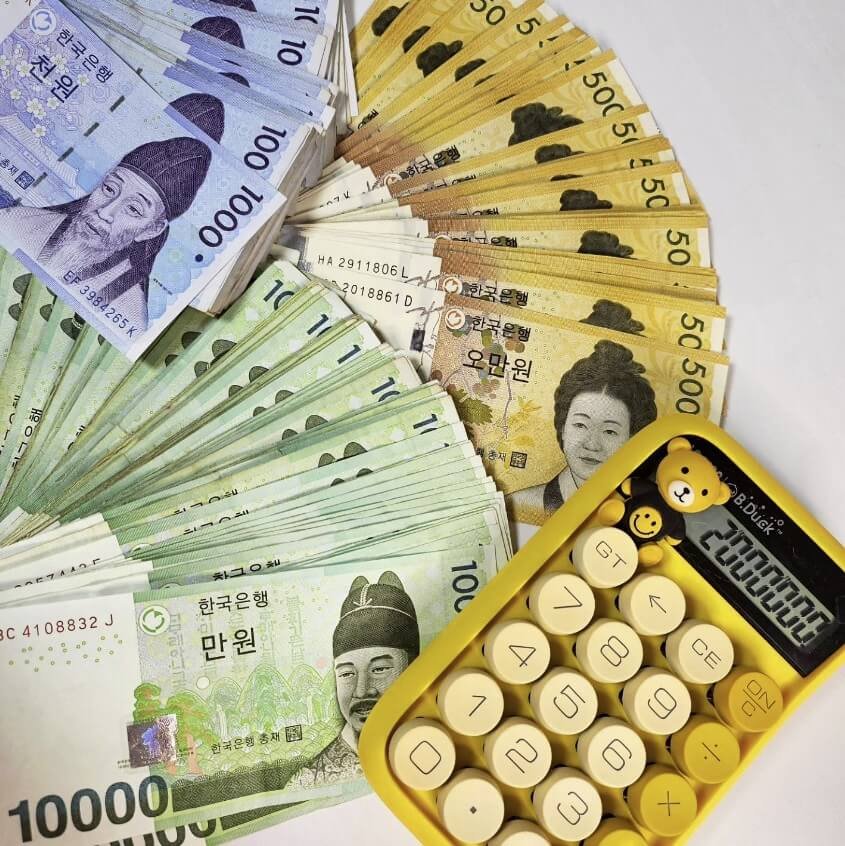
How to be cost-effective in Korea?
Being cost-effective in South Korea (South Korea) is very doable because public transport, food, and accommodation can be quite budget-friendly if you plan smartly. Here’s a practical breakdown that works well whether you’re staying in Seoul or other cities like Busan.
The biggest savings come from transport.
• Use the Seoul Metropolitan Subway and buses instead of taxis
• Get a T-money card (works on subway, buses, and even some convenience stores)
• Avoid taxis unless absolutely necessary (they add up quickly, especially in traffic)
• Use Google Maps alternatives like Naver Map or KakaoMap for accurate routes
Food costs can swing a lot depending on where you eat.
• Choose small local restaurants (“korean eateries”) instead of tourist spots in Myeongdong or Gangnam
• Convenience stores (GS25, CU, 7-Eleven) offer cheap meals like kimbap, ramen, and lunch boxes
• Street food markets (like Gwangjang Market in Seoul) are filling and affordable
• Set meal lunches (백반) are usually the best value
Accommodation is where you can save a lot:
• Hostels and guesthouses are common and clean in Korea
• “Korean-style hostels” often include breakfast
• Consider Airbnb for groups (cheaper per person)
• Capsule hotels are a good middle option in big cities
Korea has many low-cost experiences:
• Palaces in Seoul (like Gyeongbokgung) are cheap entry and very cultural
• Hiking trails (Bukhansan National Park near Seoul) are free and very popular
• Museums often have free admission days
• Walking neighborhoods like Hongdae or Ikseon-dong is free entertainment
• Don’t rely on roaming—buy a local SIM or eSIM at the airport
• Free Wi-Fi is common in subways, cafés, and public areas
• Use convenience stores for daily essentials instead of supermarkets for small needs
• Look for “tax-free” shopping if you’re eligible
• Avoid impulse shopping in major tourist districts
• Avoid peak travel seasons like cherry blossom season and Chuseok holidays if possible (prices spike)
• Weekdays are cheaper for accommodation than weekends
Cost of studying in korea
The cost of studying in South Korea (South Korea) depends mainly on your course type (language, undergraduate, or postgraduate), university ranking, and city (most students study in Seoul or Busan).
Here’s a realistic breakdown:
🇰🇷 Korean language course (TOPIK preparation)
• ₩1.2M – ₩2.0M per semester
• ≈ ₹75,000 – ₹1.3 lakh per semester
• Usually 4 semesters/year
Total per year: ₹3 – ₹5 lakh
Undergraduate (Bachelor’s)
• Public universities: ₩2M – ₩4.5M per semester
• Private universities: ₩3M – ₩6.5M per semester
• ≈ ₹1.2 lakh – ₹4 lakh per semester
Total per year: ₹2.5 – ₹8 lakh
Master’s / PhD
• ₩3M – ₩7M per semester
• ≈ ₹2 lakh – ₹4.5 lakh per semester
Total per year: ₹4 – ₹10 lakh
Monthly estimate in Seoul:
• Dormitory: ₩300,000 – ₩700,000 (₹18k – ₹45k)
• Shared apartment: ₩400,000 – ₩900,000 (₹25k – ₹60k)
• Food: ₩300,000 – ₩500,000 (₹20k – ₹35k)
• Transport: ₩50,000 – ₩80,000 (₹3k – ₹5k)
• Miscellaneous: ₩100,000+
Total monthly living cost: ₹60,000 – ₹1.2 lakh
Smaller cities = 20–30% cheaper.
Budget student (outside Seoul / dorm + simple lifestyle)
₹7 – ₹12 lakh/year
Average student (Seoul private university + normal living)
₹10 – ₹18 lakh/year
Expensive/private + rented apartment lifestyle
₹18 – ₹25 lakh/year
Many international students reduce cost heavily via:
• Korean Government Scholarship (KGSP / GKS)
• University scholarships (30%–100% tuition reduction)
• Merit + TOPIK-based scholarships
With scholarship, cost can drop to:
₹0 – ₹5 lakh/year total
• Visa fees: ₹4k–₹6k
• Flight: ₹25k–₹60k (India → Korea)
• Health insurance: ~₹2k–₹4k/month
• Books/materials: ₹10k–₹30k/year

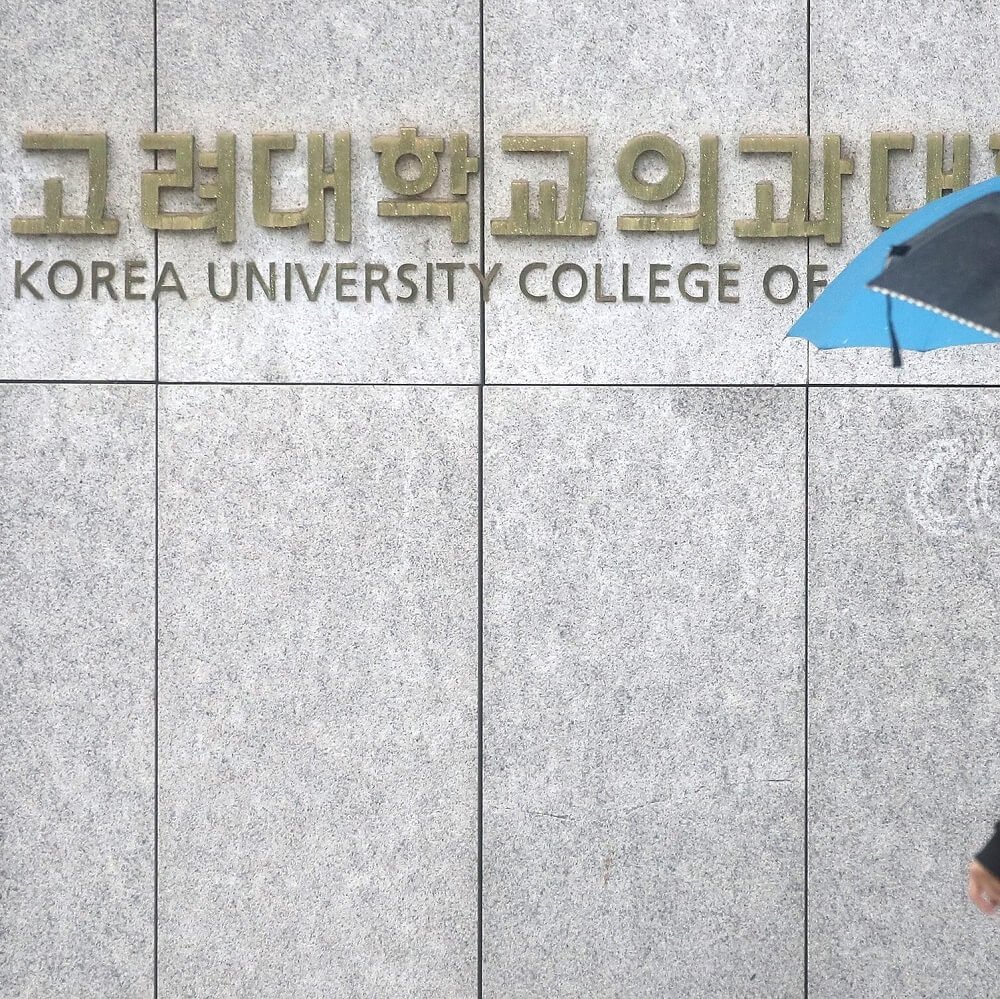
How can I apply to a college in korea?
Applying to college in South Korea is pretty structured, and the process depends on whether you’re applying for a Korean-taught program or an English-taught international program. Here’s a clear roadmap.
You generally have two options:
• Korean-taught degree programs
• Most universities teach in Korean
• You usually need TOPIK (Test of Proficiency in Korean) level 3–5+
• B. English-taught Common in business, engineering, international studies
Many top universities offer both, such as:
• Seoul National University
• Yonsei University
• Korea University
Most Korean universities ask for:
• High school diploma (or equivalent)
• Academic transcripts
• Passport copy
• Language proof:
• IELTS/TOEFL (English programs)
• TOPIK (Korean programs)
• Personal statement / study plan
• Letters of recommendation (usually 1–2)
• Sometimes SAT/ACT (for top universities or specific programs)
Typical package includes:
• Application form (online)
• Statement of purpose (why Korea + your major)
• Study plan (what you want to study and why)
• Recommendation letters
• Certificates (awards, extracurriculars help)
• Financial proof (bank statement or sponsor letter)
Each university has its own application system. You:
• Create an account on the university website
• Upload documents
• Pay application fee (usually $50–150 USD)
• Submit before deadline
Most intake periods:
• Spring intake (March start) → apply Sep–Nov
• Fall intake (September start) → apply Mar–May
Many international students apply with scholarships like:
• Global Korea Scholarship (GKS) (fully funded)
• University merit scholarships (partial or full tuition)
• Department-specific scholarships
If accepted, you’ll need:
• Student visa (D-2 visa)
• Proof of funds (or scholarship letter)
• Health insurance registration (after arrival)
• Start preparing 6–12 months early
• Focus heavily on your statement of purpose
• If you’re unsure about Korean language, consider starting with an English-taught program or language year first
• Apply to multiple universities (don’t rely on just one)
Be sure to check your email for updates.
Following these steps will make the college application process easier and less stressful.
Hey, we’d like to know you better!