
Why study in Italy?
Here are reasons why you should consider studying in the Italy
Here are reasons why you should consider studying in the Italy
1. World-famous universities
Italy is home to some of the oldest and most respected universities in the world, such as the University of Bologna, founded in 1088. Many programs are internationally recognized.
2. Affordable tuition fees
Compared to countries like the US or UK, tuition in Italy is generally more affordable, especially at public universities.
3. Scholarships and financial aid
Italy offers various scholarships for international students, including regional and merit-based funding, which can significantly reduce costs.
4. Wide range of English-taught programs
Many universities now offer bachelor’s and master’s degrees in English, especially in fields like engineering, business, and design.
5. Rich cultural heritage
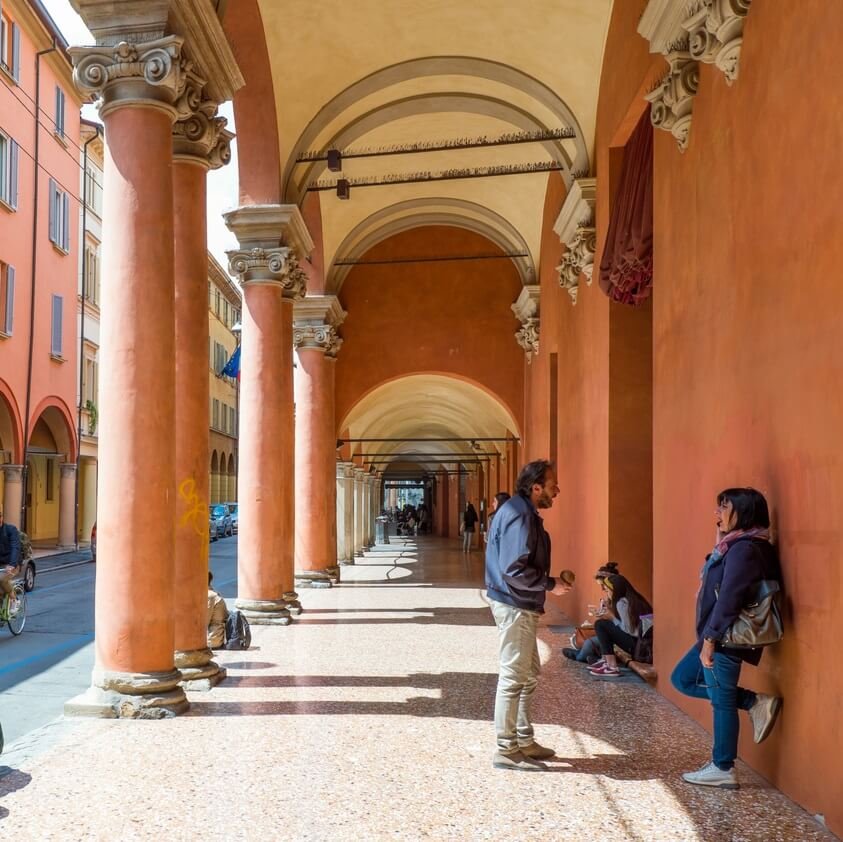
Studying in Italy means living in a country filled with history, art, and architecture—from Roman ruins to Renaissance masterpieces.
6. Central location in Europe
Italy is well connected to the rest of Europe, making it easy (and affordable) to travel to other countries during breaks.
7. Strong programs in art, fashion, and design
Italy is a global leader in creative fields, especially fashion, architecture, and industrial design.
8. Student-friendly lifestyle
Cities like Bologna, Milan, and Rome offer vibrant student communities, good public transport, and lively social life.
9. Internship and career opportunities
Many universities have partnerships with companies, giving students access to internships in Europe’s major industries.
10. Gateway to the EU job market
Studying in Italy can open doors to work opportunities across the European Union through programs like Erasmus+ and post-study work options.
Top universities in Italy
Istituto Europeo di Design (IED) is best known for its education in design, fashion, visual arts, communication, and creative management. Founded in 1966 in Italy, it has campuses in several cities across Europe and attracts students from around the world.
known for its master’s programs in design, fashion, business, and luxury management, with a strong emphasis on innovation and industry collaboration.
Istituto Marangoni is one of the world’s most recognized institutions for fashion, design, art, and luxury business. Its campuses in Milan and Florence each have distinct strengths.
known for creative disciplines connected to visual arts, media, and culture.
Recognized for its excellence in business, economics, management, law, political science, and international affairs.
Career-focused education in fashion design, fashion business, styling, and communication.
Rome Business School is a private business school based in Rome, known for its MBA programs, specialized master’s degrees, and executive education.
known for its small-class, studio-based education in fashion, design, and visual communication.
It is internationally recognized for excellence in science, engineering, medicine, psychology, economics, agriculture, and humanities, with a strong emphasis on research and innovation.
known for professional culinary arts, pastry, bakery, hospitality, and Italian gastronomy, with a strong emphasis on hands-on training and industry experience.

How to be cost-effective in Italy?
Avoid peak months like June–August when prices for flights and hotels spike.
• Cheaper periods: late October–March (except Christmas/New Year)
• You’ll also get fewer crowds in cities like Rome and Florence.
• High-speed trains (Frecciarossa) are fast but expensive.
• Regional trains are much cheaper and good for short distances.
• Book trains early on official services like Trenitalia or Italo for discounts.
Instead of staying in city centers:
• Choose neighborhoods a bit outside (still well connected by metro/bus)
• Or consider hostels, guesthouses, or budget hotels
Cities like Rome, Milan, and Venice have big price differences just by area.
• Avoid restaurants right next to major attractions
• Look for:
• “Trattorias” (local family-run restaurants)
• Bakeries and street food
• Metro, buses, and trams are very affordable in most cities
• Consider day passes if you’re traveling a lot in one city
• Many museums have free entry days (often first Sunday of the month)
• Churches, piazzas, parks, and viewpoints are often free
• Walking tours (tip-based) are cheaper than private guides
• Fly into budget-friendly airports (like Milan Bergamo or Rome Ciampino)
• Use flexible dates to find cheaper fares
• Book 1–3 months in advance for best prices
• Use a travel card with no foreign transaction fees
• Withdraw cash in fewer, larger amounts to avoid ATM charges
• Tap water is safe in most cities
• Public fountains (“nasoni” in Rome) are free refill points
Cost of studying in Italy
The cost of studying in Italy depends on whether you attend a public or private university, your city, and your lifestyle.
Public Universities
• EU and non-EU students often pay €900–€4,000 per year.
• Fees are usually based on family income (ISEE).
• Many international students qualify for reduced fees.
Examples:
• University of Bologna: approximately €1,000–€3,500/year
• Sapienza University of Rome: approximately €1,000–€3,000/year
• University of Padua: approximately €1,000–€3,000/year
Private Universities
• Typically €6,000–€20,000+ per year.
Examples:
• Bocconi University: €12,000–€16,000/year
• LUISS University: €8,000–€13,000/year
• Accommodation: €300–€900
• Food: €150–€300
• Transportation: €25–€50
• Utilities & internet:€50–€150
• Personal expenses: €100–€250
Italy offers several scholarships for international students:
• Italian Government Scholarships
• Regional DSU scholarships (can cover tuition, accommodation, and meals)
• University-specific merit scholarships
In many cases, students at public universities with scholarships can reduce their total annual cost to €3,000–€8,000.

How can I apply to a college in Italy?
Applying to a college in Italy is fairly structured, but the exact steps depend on whether you’re applying for a bachelor’s, master’s, or PhD,Here’s a clear overview:
Italy has many strong universities, especially in engineering, design, business, and humanities.
Some well-known ones:
• Politecnico di Milano (top for engineering, architecture, design)
• Sapienza Università di Roma (large public university, many subjects)
• Università di Bologna (one of the oldest universities in the world)
You should:
• Pick a program (many are in English for Master’s level)
• Check admission requirements on the university website
Typical requirements include:
• Academic transcripts (12th grade for bachelor’s / bachelor’s degree for master’s)
• Passport
• CV (for master’s programs)
• Statement of Purpose / Motivation letter
• Language proof:
• IELTS/TOEFL for English programs
• OR Italian test (like CILS/CELI) for Italian programs
• Some programs require entrance exams (especially engineering/medicine)
You usually must go through the official Italian system:
• Apply via the Universitaly portal
• Submit pre-enrollment request to your chosen university
• Get acceptance letter
After admission:
• Apply at the Italian Embassy/Consulate in India
• Documents include:
• Admission letter
• Proof of funds (~€6,000–€10,000/year recommended)
• Accommodation proof
• Health insurance
• Visa application form
• Apply for residence permit (Permesso di Soggiorno)
• Get tax code (Codice Fiscale)
• Enroll formally at the university
Hey, we’d like to know you better!