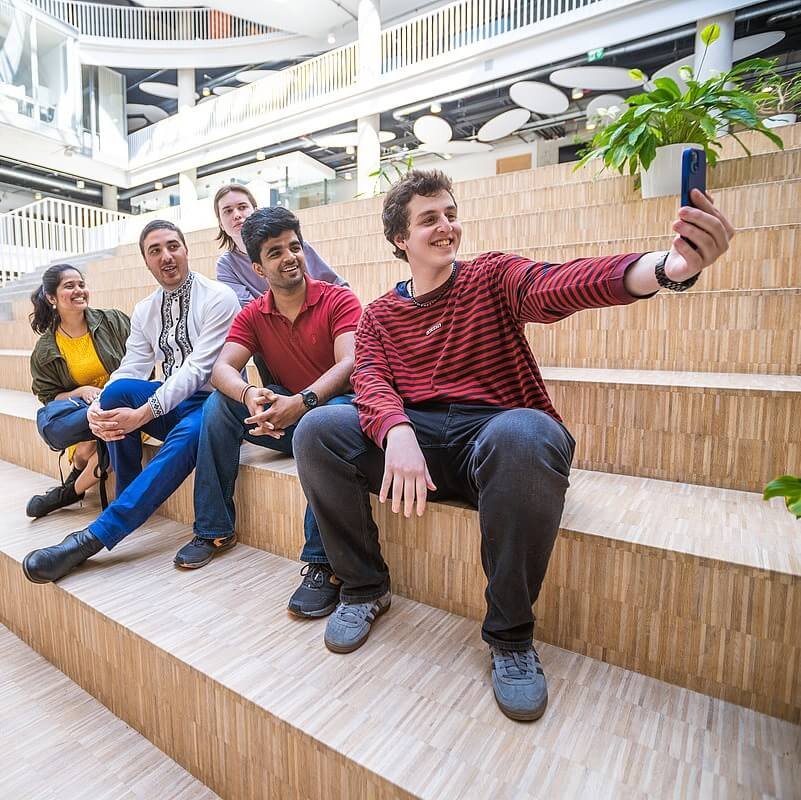
Why study in Latvia?

Best for Students looking for affordable European education, especially in medicine, engineering, IT, business, and logistics.

Here are reasons why you consider studying in Latvia

01. Affordable tuition fees

Tuition costs are generally lower than in many other European countries.

02. Low cost of living

Accommodation, transportation, and daily expenses are relatively affordable for students.

03. High-quality education

Latvian universities offer internationally recognized degrees and maintain good academic standards.

04. English-taught programs

Many bachelor’s, master’s, and doctoral programs are available in English.

05. European Union degree

A degree from Latvia is recognized across the European Union and in many other countries.

06. Multicultural environment

Students from around the world create a diverse and welcoming international community.

07. Work opportunities

International students may be eligible to work part-time while studying, subject to local regulations.

08. Safe and peaceful country

Latvia is known for its relatively safe environment and good quality of life.

09. Beautiful nature and rich culture

Students can enjoy forests, beaches, historic architecture, and vibrant cultural festivals.

10. Gateway to Europe

Latvia’s location makes it convenient to travel to other European countries during holidays and breaks.

Gemini_Generated_Image_ri7763ri7763ri77 (1)

How to be cost-effective in Latvia?

If you're planning to live in or travel through Latvia on a budget, there are several practical ways to keep costs down without sacrificing much comfort.

Stay outside the most tourist-heavy parts of Riga if you’re visiting the capital. Public transportation is affordable, so staying a little farther from the city center can save money.

Use buses and trains for intercity travel. Latvia has a well-connected public transport network that is usually much cheaper than renting a car.

Shop at supermarkets instead of eating every meal out. Local grocery chains often have good-value fresh produce, bread, dairy, and prepared foods.

Take advantage of lunch specials. Many restaurants offer weekday lunch menus that cost significantly less than dinner.

Visit free or low-cost attractions, such as parks, beaches, walking tours, and many churches. Places like Jūrmala Beach and the historic streets of Riga can be enjoyed with little or no admission cost.

If you’re staying longer, consider monthly public transport passes rather than buying individual tickets.

Use local markets for seasonal fruits, vegetables, and regional foods, which are often cheaper than convenience stores.

Travel during the shoulder seasons (spring or autumn), when accommodation prices are generally lower than in the peak summer months.

  • Food (groceries): €150–250 per month
  • Public transport: €30–50 per month
  • Utilities (if not included in rent): €100–200 per month for a small apartment
  • Mobile plan: €10–20 per month

If you’re moving there, the biggest factor affecting your budget will usually be housing. Living outside central Riga or in smaller cities such as Liepāja, Daugavpils, or Jelgava can reduce rent substantially.

Cost of studying in Latvia

The cost of studying in Latvia depends on the university and the program you choose, but it is generally among the more affordable study destinations in Europe.

Expense

Estimated Cost

Tuition (Bachelor’s)

€1,600–€6,000 per year

Engineering

€2,700–€3,500 per year

Computer Science

€1,800–€3,800 per year

Business

€2,000–€6,000 per year

Medicine/Dentistry

€8,000–€15,000+ per year

Living expenses

€450–€700 per month

These estimates vary by institution and city.

Tuition: €2,500–€4,000

Living costs: €5,400–€8,400

Total: approximately €8,000–€12,000 per year.

For accommodation, students often choose:

University dormitory: €70–€120/month

Shared apartment: €100–€200/month

Private apartment: €250–€350/month (plus utilities).

If you’re an Indian student, you should also budget for:

Student visa and residence permit fees

Health insurance

Airfare

Initial setup costs (deposit, bedding, kitchen items, etc.)

I can estimate your total first-year cost more accurately and suggest universities that fit your budget.


student-girl-wintertime-2 (1)
csm_arzemju_studenti_3016ccf79f (1)

How can I apply to a college in the Latvia?

If you want to study in Latvia, the process is generally straightforward. Here's how to apply:

Research institutions that offer your desired program. Many programs are available in English, especially at the bachelor’s, master’s, and doctoral levels.

Each institution has its own requirements, but commonly you’ll need:

Academic transcripts and certificates

A valid passport

Proof of English proficiency (such as IELTS or TOEFL), if required

A motivation letter

A CV/resume (mainly for master’s and PhD programs)

Letters of recommendation (for some programs)

Most universities allow online applications through their admissions portals. Be prepared to upload scanned copies of your documents and pay any application fee if applicable.

If you’re accepted, you’ll receive an offer or admission letter. You may need to confirm your place and pay a deposit.

If you’re not an European Union or European Economic Area citizen, you’ll typically need a long-term visa or temporary residence permit for studies. You’ll generally need:

 Your admission letter

Proof of sufficient financial resources

Health insurance

A valid passport

Proof of accommodation

Once your visa or residence permit is approved, book your travel and secure housing, either in university dormitories or private accommodation.

For most international students, the application timeline is:

September intake: Apply between January and July (deadlines vary by university).

Some institutions also offer a February intake with applications in the preceding autumn.

Hey, we’d like to know you better!

Untitled-1
Please enable JavaScript in your browser to complete this form.
Your name
What services would you like?
Shopping Basket